
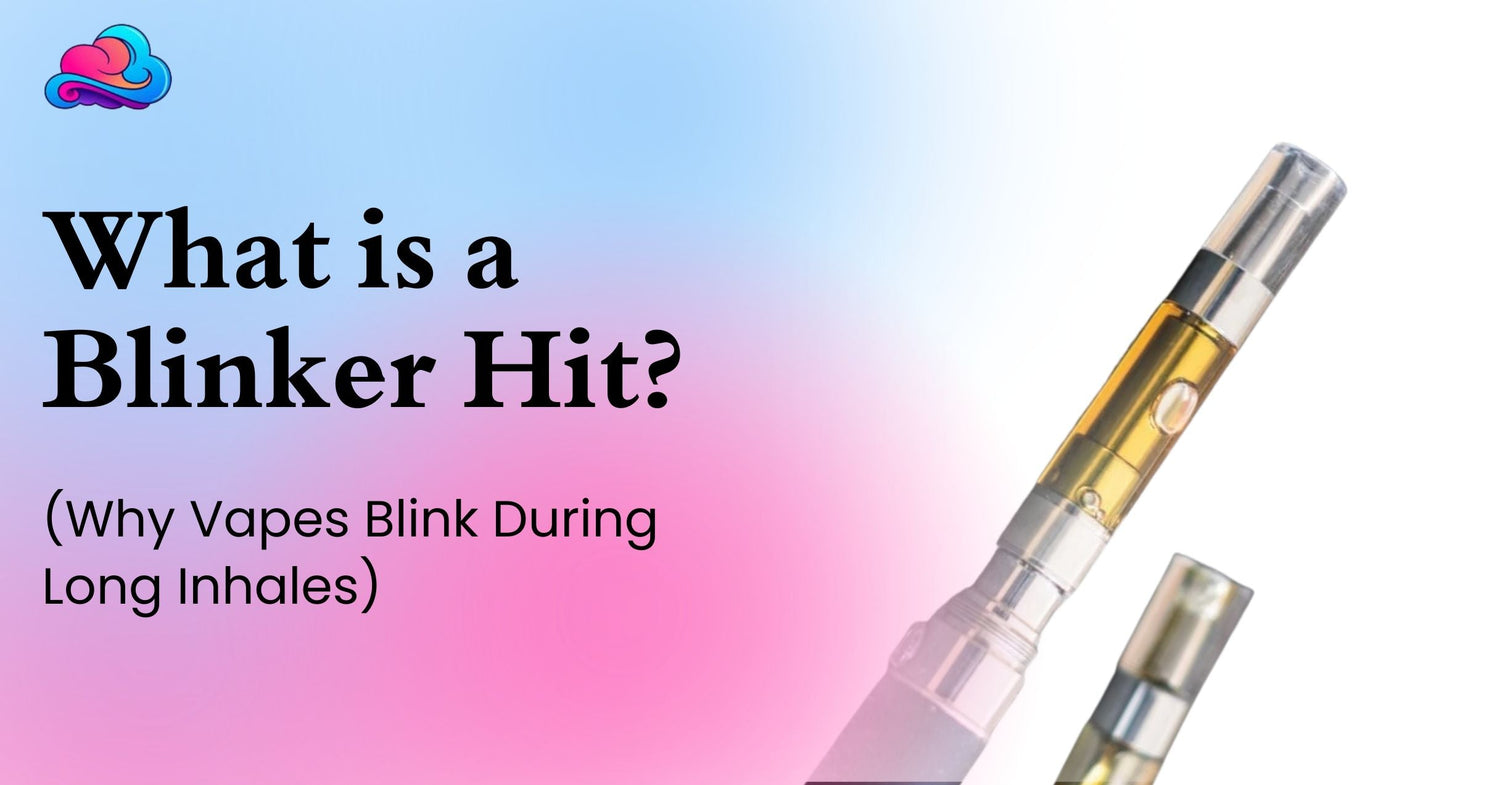
A blinker vape is a term often connected with a very long inhale that continues until the device reaches its built in firing limit and the indicator begins flashing. That flashing can be easy to misunderstand. Some people think the light means the battery has failed, while others assume it is part of normal puff counting. In this context, it usually refers to the device ending an unusually long draw through its cutoff system.
The key point is that a blinker hit is not another special power mode. It describes reaching the limit at which the device stops firing. The exact timing should come from the individual device information because the supplied Smokey Cloudz pages do not establish one universal cutoff time.
Modern devices also use lights and screens for many other reasons. Battery status, power modes, liquid status, and operating information can all appear through digital indicators. The Foger display number guide shows a good example of the need to read a display according to the exact device instead of guessing at the meaning of a number or light.
This article is written for adults aged 21 and older. Many vaping products contain nicotine, which is addictive.
Blinker Vape Meaning?
A blinker vape refers to the situation in which a person keeps drawing until the device reaches its automatic firing limit and signals that limit, often through a flashing indicator. The phrase is more about the length of the draw and the device response than about a special category of vape.
A vape auto cutoff is there to stop the device from continuing to fire beyond its built in limit. When that cutoff is reached, the power to the heating system stops for that draw. The visible response can include a flashing indicator on devices that use lights for status signals.
This is also the origin of the phrase vape blinking cutoff. The light is communicating that something has happened inside the device. In the blinker context, the event is the firing limit being reached rather than a new vaping mode starting.
A vape blinking light can have other meanings too, so the exact model instructions remain important. A low battery, charging state, operating mode, or other status may also use visual indicators on certain devices.
Blinker Hit and a Normal Draw?
A blinker hit generally means continuing the inhale until the device stops the firing cycle on its own. A normal draw does not need to reach that limit.
This difference matters because the cutoff should not be treated as a target. It is better understood as a device boundary. The device is ending the firing cycle rather than inviting the user to reach the same point every time.
A long vape hit can also affect product use differently from shorter draws. The supplied Smokey Cloudz puff count guidance notes that draw length can change real world puff totals, since advertised puff figures are estimates rather than an exact count for every adult. The guide to vape lifespan and puff estimates discusses that difference in more detail.
This means a product carrying a large advertised puff figure should not be treated as giving the same calendar life under every draw pattern.
Vape Auto Cutoff Purpose?
A vape auto cutoff stops a firing cycle after the device reaches its programmed limit. It acts on the device rather than relying on the person to keep the coil powered for an unlimited period.
That matters with draw activated products because inhaling can trigger the heating system without a separate firing button. The supplied Clio Platinum Kit is one example of a draw activated product, while its screen also reports battery, mode, and other status information.
The cutoff should be viewed separately from the device's normal operating modes. A mode can change the way a product runs, while the firing limit ends a draw after its set boundary has been reached.
The exact cutoff period is not stated across the supplied product pages, so assigning one fixed number to every device would be misleading.
Vape Blinking Cutoff Versus Other Light Signals
A vape blinking cutoff is only one possible reason for a light to flash. Modern devices can communicate several kinds of status through LEDs or screens.
For example, the supplied Geek Bar CLR page states that its LED screen displays battery percentage and active mode. It also uses lighting during a draw. Those indicators perform different jobs, which is why a flashing light should be interpreted through the actual model information. The Geek Bar CLR 50000 page gives an example of a device combining a screen, lighting, modes, and draw activated operation.
If a vape blinking light appears during routine use, start with the product instructions. Check whether the light belongs to battery status, mode status, charging, or the firing cutoff.
Do not assume every flashing pattern means the same thing across different brands or models.
A 4 Step Check After a Flashing Light
When a device flashes unexpectedly, a short check can reduce confusion. The goal is to identify the signal without opening or modifying the device.
-
Stop the draw when the light begins flashing.
-
Check whether the flash appeared only after an unusually long inhale or also happens during ordinary draws.
-
Review the battery or charging indicator shown by the device.
-
Check the instructions for that exact product before treating the signal as a fault.
These steps separate a possible vape auto cutoff from a low battery or another device status. They also prevent a vape blinking light from being interpreted through instructions written for a different model.
If the product continues acting abnormally during ordinary use, treat that as a product support issue rather than repeatedly testing longer inhales.
Real World Example: The Light Flashes After a Long Draw
Imagine an adult using a draw activated device. Shorter normal draws work without an issue. During a much longer inhale, however, the device stops producing vapor and its indicator begins flashing.
That pattern fits the idea behind a blinker vape. The device has reached the end of its firing cycle for that draw, and the flashing signal marks the event.
Now imagine the same light begins flashing immediately during ordinary use. That is a different situation. The user should check battery status and model instructions instead of assuming every flash is a vape blinking cutoff.
The example shows why timing matters. The light itself is only part of the message. The point at which it appears can provide important context.
Repeated Long Vape Hit Patterns?
A long vape hit should not be treated as a performance test for the device. Reaching the firing limit repeatedly is different from ordinary use because each draw is deliberately being extended until the device itself stops the heating cycle.
That is also why puff estimates can become confusing. The supplied lifespan article notes that longer draws can use more liquid per puff and that different draw lengths can change the final number of real draws received from a product.
A large puff number on a package does not make repeated cutoff reaching necessary. Puff figures are better used as product comparison estimates rather than as a goal for daily use.
If an adult wants longer product life, the more relevant information is the stated puff estimate, mode, liquid amount, battery setup, and normal personal use pattern.
Different Device Formats Can React Differently
Not every vape uses the same hardware. Some products are sealed disposables, while others combine reusable battery sections with replaceable pods.
The RAZ Vue 50K Kit is a 2 part system with a reusable power section and prefilled pod. That differs from a sealed one piece product, so status indicators and hardware structure should always be read according to the exact product.
This is important when discussing a vape blinking light. Instructions from a sealed disposable may not describe the same status behavior as a separate battery and pod system.
Keep the full model name available whenever you check a flashing signal. Device format matters as much as the brand printed on the front.
Errors That Often Create Confusion
One frequent error is treating every flash as proof of a vape blinking cutoff. A device may use lights for more than one status, so the product instructions need to control the interpretation.
Another issue is assuming that a blinker hit is a special mode that needs to be activated. It is not the same idea as Normal, Pulse, Boost, or another named power setting.
A third error is expecting a single universal cutoff time. The supplied pages do not give a shared cutoff figure across every product, so it would be wrong to assign the same number to all devices.
Another problem is repeatedly extending a long vape hit just to make the device flash. The cutoff is better treated as a limit rather than a target.
Product Life and Blinker Use Are Separate Questions
Adults sometimes connect long draws with the idea of getting more from each puff. Product life does not work that neatly.
A longer draw may use the device differently from a short draw. The product's advertised puff figure is still an estimate, and actual results can vary with draw length, frequency, mode, battery performance, airflow, and other use conditions described in the supplied Smokey Cloudz lifespan material.
This means a blinker vape pattern should not be used as a way to compare which device lasts longer. Product life and cutoff behavior answer 2 separate questions.
A device that flashes after reaching its firing limit is communicating a boundary. It is not reporting the total life remaining in the product.
Delivery and Replacement Timing Are Separate Too
A device reaching the end of its liquid or usable life is different from a firing cutoff during a single draw. Replacement timing belongs to the wider buying process.
The DoorDash vape delivery guide covers adult delivery availability and age checks rather than device cutoff behavior. Keeping these topics separate makes both easier to understand.
An adult expecting a device to run out can use available battery or liquid indicators when the model provides them. Waiting for unusual device behavior is not a reliable replacement planning method.
The vape auto cutoff protects an individual firing cycle. It does not tell you when delivery will be needed or exactly when the whole product will be finished.
Cutoff Behavior and THC Testing Are Different Topics
The phrase blinker hit sometimes appears in wider conversations around different vaping materials. Device cutoff behavior, however, does not determine a biological testing window.
The THC vape testing window guide covers testing factors as a separate subject. A flashing device light cannot tell someone how long a substance will remain detectable.
This distinction prevents a technical device term from being turned into a health or testing claim.
A cutoff light reports something about the hardware at that moment. It does not provide information about metabolism or test results.
Room Smell Is Not Measured by Draw Length Alone
A long vape hit can produce a noticeable amount of aerosol, but room odor has its own set of factors. A firing cutoff should not be treated as a timer for how long smell will remain indoors.
The guide to vape smell in a room discusses ventilation, room conditions, surfaces, and repeated indoor use as separate factors.
This also matters because vapor is not just a light effect from the device. The light may stop when the firing cycle ends, while aerosol and odor can remain in the surrounding space afterward.
Keeping device signals separate from indoor air questions gives a much clearer view of both topics.
Indoor Residue Needs Its Own Context
Repeated indoor vaping can also raise questions about surfaces. A vape blinking cutoff cannot indicate whether walls or furniture have collected residue.
The indoor vape residue and wall staining guide covers residue and repeated indoor aerosol exposure as its own subject.
That separation matters because device lights only report device status. They do not measure room cleanliness, surface buildup, or indoor air quality.
If indoor vaping is frequent, room conditions need their own attention rather than being judged by puff length or the presence of a flashing device light.
Health Context Near the End of the Decision
Repeatedly reaching a device limit should not be presented as a health benefit or as a better form of vaping. The cutoff is an equipment feature, not a health feature.
The CDC states that no tobacco products, including e cigarettes, are safe. It also states that most e cigarettes contain nicotine, which is highly addictive, and that e cigarette aerosol can contain substances that are harmful or potentially harmful. The supplied CDC vaping health information provides the broader health context.
That context matters when discussing repeated cutoff use. A longer inhale should not be promoted as a stronger, healthier, or more desirable method.
If vaping causes discomfort or a concerning physical reaction, stop rather than trying to force the device to reach its cutoff again.
The Bigger Device Use Strategy
The blinker vape topic belongs inside a wider adult device use guide. Cutoff signals are only one part of understanding a modern vaping device.
A broader pillar can cover draw activation, indicator lights, battery status, charging, puff estimates, modes, airflow, pods, troubleshooting, and product life. This page can then stay focused on long draws and cutoff signals.
The natural pillar phrase is complete adult vape device use guide. No pillar URL was supplied, so that wording remains unlinked rather than pointing to an unrelated page.
Keeping each device signal in context makes everyday troubleshooting much clearer.
When Product Support Makes Sense
Product support is worth considering when the device flashes during ordinary short draws, will not operate after charging, behaves differently from its stated instructions, or shows a repeating signal that cannot be identified.
Start with the exact model name and describe when the flash appears. Mention whether it happens during a long draw, during every draw, while charging, or when the device is sitting unused.
Do not open a sealed product or alter its battery to investigate the light. A visible defect, heavy leak, swelling, smoke, or unusual heat should be treated as a reason to stop using the device.
Clear information about the timing of the signal gives a retailer or product support team a better starting point than saying only that the vape is blinking.
Conclusion
A blinker vape refers to a vaping device reaching its firing cutoff during a very long draw and signaling that event, commonly through a flashing light. The exact cutoff time can vary by device, and the supplied product pages do not support one universal number.
A vape blinking light can also communicate battery, charging, mode, or other status information. That is why every flash should not automatically be called a cutoff.
The practical approach is to stop when the device ends the draw, check the model instructions, and treat the cutoff as a limit rather than a target. If flashing begins during ordinary use, battery and product status deserve a separate check.
FAQs
Blinker Vape Meaning?
It refers to reaching the device's firing limit during a long draw until the indicator flashes. The cutoff ends that firing cycle.
It is not a separate power mode. The exact device instructions still matter.
Blinker Hit Meaning?
A blinker hit describes a draw that continues until the device reaches its automatic firing limit. The flashing signal gives the term its name.
It should not be treated as a daily target. The cutoff marks a device boundary.
Vape Blinking During a Long Inhale?
A flash appearing when the device reaches its firing limit can indicate the cutoff has activated. The device stops powering that draw.
A flashing pattern during normal short use may have another meaning. Check the exact model instructions.
Repeated Cutoff Use Different From Normal Use?
Yes. Repeatedly extending every draw until the device stops firing is different from ordinary use that ends before the limit.
Longer draw patterns can also affect real puff totals. Advertised puff numbers remain estimates.
Every Vape Use the Same Cutoff Time?
No universal time is supported by the supplied product information. The limit should be checked for the exact model.
Do not copy a cutoff number from an unrelated device.
Flashing Light Always Mean a Cutoff?
No. Lights and screens can also report battery, charging, mode, and other device information.
The timing and pattern of the signal need to be read through the product instructions.
Blinker Hit a Power Mode?
No. A cutoff event is different from named device modes such as Normal, Pulse, or other power settings.
The mode controls normal device operation. The cutoff ends an extended firing cycle.
Long Draw Increase Advertised Puff Life?
Not necessarily. Longer draws can change liquid use and the number of real draws received from a device.
Advertised puff totals are comparison estimates, not guaranteed personal totals.
Device Keeps Blinking During Normal Draws?
Stop repeatedly testing it with longer inhales. Check battery status and the instructions for the exact model.
If the signal continues and its meaning is unclear, product support is the better next step.


Leave a comment
This site is protected by hCaptcha and the hCaptcha Privacy Policy and Terms of Service apply.