
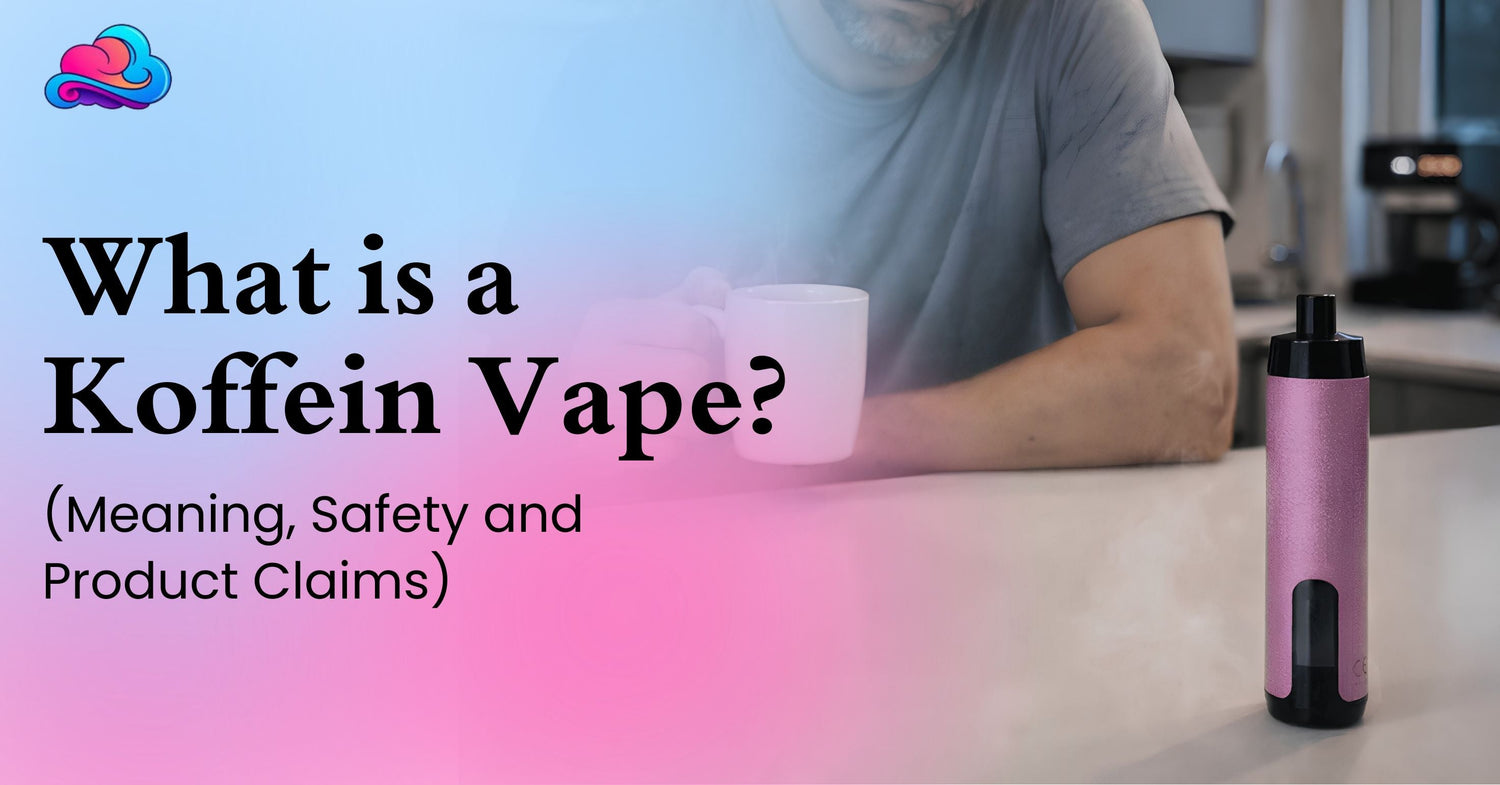
A koffein vape can be confusing because the name sounds close to a normal vape, yet the claim around caffeine changes the questions a buyer should ask. Some people may see terms such as caffeine vape, a pen style caffeine product, or energy vape and assume the product works like a standard nicotine device. That assumption can create real concern, especially when the label uses wellness language or gives very little context. For wider reading about ingredients in vape aerosol, the article on diacetyl in vape aerosol evidence gives another product safety topic worth reading separately.
The main point is not to trust a product just because the wording sounds modern, clean, or focused on energy. A caffeine related claim should be read carefully, and the label should be checked against the claims made around it. This matters even more when a product is presented as a caffeine based vapor product or caffeine inhaler, because a marketing term does not by itself establish safety, approval, or clinical support.
The Reader Problem Behind the Search
A buyer may see an energy vape and think it is simply another way to take caffeine. Another person may see a pen marketed around caffeine and assume it has been reviewed in the same way as familiar food or drink products. That is where confusion starts, because the product name, the route of use, and the health claim can all affect the questions that need to be asked.
There is also a second problem. Device trouble can distract people from the label itself. If a vape is not working, readers may focus only on battery or airflow checks, such as the separate guide to RAZ vape battery, airflow, sensor and reset checks, while missing the more basic question of what the product says it contains.
The Meaning Behind Koffein Vape
The phrase is used here for a vaping product presented around caffeine. Related wording may include caffeine vape, caffeine vaporizer, pen format, energy focused wording, or caffeine inhaler. These terms can look similar on a page or label, but wording alone cannot tell you whether the claim has strong evidence behind it.
For this reason, the name should be treated as a starting point, not as proof. The same rule applies when comparing a caffeine related claim with a regular vape product page such as the Geek Bar Pulse X 25000. A product page can state its own details, but those details should not be carried over to a different device or a different type of claim.
Koffein Vape Versus a Nicotine Vape
A koffein vape is not the same term as a nicotine vape. In this article, the caffeine centered term refers to a product presented around caffeine, while a nicotine vape is presented around nicotine. The 2 terms should not be treated as interchangeable just because both may be described as vaping products.
The same caution matters with a caffeine related product that is marketed beside other devices. A shopper may compare format, size, or stated features, but that does not make the active substance claim the same. A page for a device such as the VUE 50K Kit should be read for that product's stated information only.
Safety Concerns Around Inhaled Caffeine
The supplied FDA page does not state that inhaled caffeine has been approved as safe. Instead, the FDA page names a “Caffeine Pen” among products connected with warning letters and says certain wellness vaping products were sold with unproven claims. It also says inhaled products may cause severe coughing, airway tightening, and difficulty speaking or breathing.
That matters for caffeine inhaler safety because a familiar ingredient name does not settle the safety question for a different route of use. A caffeine vaporizer claim also should not be treated as proven just because caffeine itself is familiar to many people. If the wording goes beyond a basic ingredient statement and moves into health or wellness promises, the evidence behind that wording deserves close attention.
A Step by Step Product Claim Check
Before treating a caffeine related claim as reliable, read the product information in a set order. This keeps the process calm and avoids making a decision from a bold front label alone. It also gives caffeine inhaler safety claims the same level of checking as any other product statement.
-
Read the exact product name and every stated ingredient.
-
Check whether caffeine, nicotine, or both are actually named on the label or product information.
-
Review any amount or serving information that is stated, without guessing at missing numbers.
-
Separate ingredient statements from wellness, energy, focus, or treatment claims.
-
Check whether the seller provides support for a clinical or health claim rather than relying on marketing words.
-
If the product uses a vaporizer or pen format, keep the route of use in mind and avoid assuming that familiar caffeine use proves inhalation safety.
-
Compare the claim with a source that directly addresses it before relying on the claim.
The same reading habit works for ordinary vape pages too. For example, the Foger Switch Pro 30K should be read from its own stated product information, rather than from claims attached to a different device.
A Real Life Label Example
Imagine a shopper sees an energy vape with a bright front label that mentions caffeine and alertness. The shopper also sees the phrase caffeine pen in an ad, while the product page uses caffeine vaporizer. Those 3 phrases may sound like they describe the same thing, but the buyer still needs to read the actual product information and the exact claim.
Next, the buyer checks whether caffeine is clearly stated and whether nicotine is also named. If the page gives no support for a health or clinical claim, the buyer should not fill that gap with an assumption. The product name may describe the marketing idea, but it does not answer every safety or evidence question on its own.
Errors That Often Cause Problems
A frequent error is treating a caffeine product as if it were automatically the same as a nicotine vape. Another is assuming that an energy product has proven benefits because the name suggests alertness or performance. A third error is reading a caffeine inhaler safety statement without checking the source behind it.
People can also mix up device issues with ingredient issues. Battery, airflow, charging, flavor, and ingredient claims are different topics. The article on Luna 50K specifications, flavors, charging and use is an example of device focused reading, while a caffeine claim needs its own evidence check.
Better Product Checking Habits
Treat every caffeine related label as a set of claims that need to match the product information. Read small print with the same care as large front label words. Keep caffeine vape wording separate from nicotine wording, and keep a pen based caffeine claim separate from a general device feature claim.
It also helps to separate taste language from substance claims. A page about Cactus Jack RAZ flavor and cooling details is about flavor and cooling context, which is different from evidence around caffeine inhalation. This small distinction can prevent a buyer from mixing flavor descriptions, performance language, and health claims into 1 decision.
The Bigger Guide Connection
This topic fits into the main pillar guide because product safety reading is bigger than a single caffeine claim. A reader may need to think about ingredients, device information, facility rules, product claims, and the source behind each statement. Keeping those topics separate makes the full picture easier to follow.
For example, hospital vaping facility rules deal with a setting and its rules, not with whether an energy claim has clinical support. The bigger strategy is to match each question with the page or source that actually addresses it.
When Professional Support May Matter
If a product claim is unclear, do not guess at missing safety information. If a person has a serious reaction or illness that may be related to a vaping product, the supplied FDA page says to stop using the product and contact a health care professional. That advice is especially relevant when the concern involves caffeine inhalation or another wellness related vaping claim.
For shopping information, Smokey Cloudz can present product specifications, flavors, and device types in an organized way. That can make product comparison easier, but medical safety and clinical claims still need support from the source that makes or reviews those claims.
FDA Context for Health and Energy Claims
The FDA page supplied for this article says certain vaping products with vitamins or essential oils were sold with unproven health or wellness claims. It also lists a “Caffeine Pen” product among the warning letter examples and states that no vaping products are approved by the FDA to prevent or treat health conditions or diseases.
This is important when reviewing an energy focused message that sounds medical or health based. The FDA information on vaping products with unproven health claims gives the supplied regulatory context. It does not provide clinical evidence that an energy claim for such a product is effective, so the claim should not be treated as clinically proven from that source.
Conclusion
A koffein vape should be read as a product claim that needs careful checking, not as a shortcut to a safety conclusion. The terms caffeine vape, vaporizer wording, pen based caffeine product, and energy wording can all appear persuasive, but the label and the evidence behind the claim matter more than the wording on the front.
The supplied FDA material does not state that inhaled caffeine is approved as safe, and it raises concerns about inhaled products and unproven wellness claims. For inhaler related safety, the safest reading habit is to separate marketing language from supported information, verify the stated contents, and avoid filling in missing facts on your own.
FAQs
Is a koffein vape the same as a nicotine vape?
No. The terms refer to different substance claims in this article. The caffeine centered term is presented around caffeine, while a nicotine vape is presented around nicotine.
Has inhaled caffeine been approved as safe?
The supplied FDA page does not state that this route is approved as safe. It instead warns about risks from inhaled products and unproven wellness vaping claims.
Can caffeine and nicotine appear in the same product?
A label can be checked for both names, but the supplied information does not establish that a caffeine and nicotine combination is approved or safe. Do not assume either substance is present unless it is stated.
Are energy vape claims backed by clinical evidence?
The supplied FDA source does not provide clinical evidence supporting such claims. It describes certain wellness vaping claims as unproven.
Which label details deserve attention?
Read the product name, stated ingredients, stated amounts, use information, warnings, and any health or wellness claims. Pay extra attention when the wording is stronger than the evidence shown.
Is a caffeine pen the same as a caffeine vaporizer?
The terms may be used as product wording around caffeine, but the name alone does not prove that 2 products have the same contents, amount, design, or safety profile.
Can a caffeine inhaler safety claim be trusted from marketing alone?
No safety claim should be accepted from marketing words alone. The support behind the claim should match the exact product and the exact route of use.
Are health claims enough to prove a vaping product is safe?
No. The supplied FDA source specifically discusses vaping products sold with unproven health or wellness claims and warns that inhaled products may present risks.

Leave a comment
This site is protected by hCaptcha and the hCaptcha Privacy Policy and Terms of Service apply.