
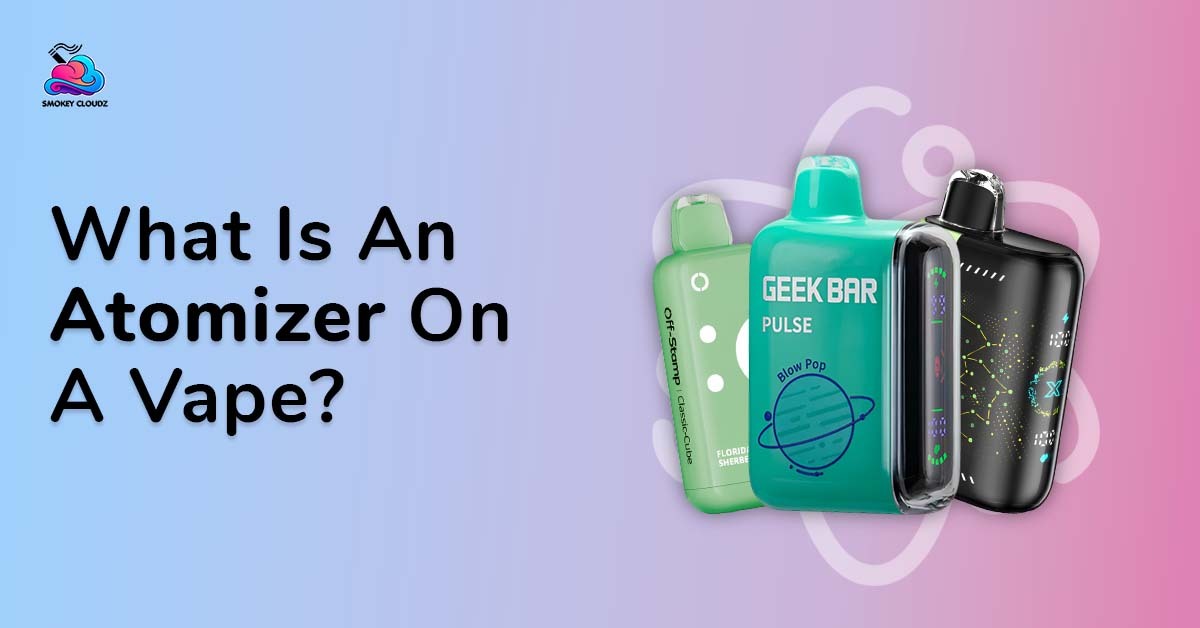
A vape device may look small from the outside, yet several parts work together inside it. The battery supplies power, the tank or inner chamber holds e liquid, and the mouthpiece carries vapor to the user. At the center of this process sits the atomizer. Many readers ask what is an atomizer on a vape because product pages often mention coils, tanks, pods, and atomizers without clearly separating them.
The direct answer is that an atomizer is the heating section of a vape device. It uses a coil and wick to turn e liquid into vapor. Without this part, the battery may turn on, but the device cannot create the vapor expected during use. A wider vaping guide gives more context about the full process, from activation to inhaling.
Confusion around the atomizer can lead to burnt taste, weak vapor, leaks, or early coil damage. This can feel frustrating, especially when a device appears charged and ready but still performs badly. Knowing the basic role of this part makes device care much easier and gives users a clearer idea of which area needs attention.
What is an atomizer on a vape?
In everyday terms, the atomizer is the section that heats e liquid and changes it into a fine vapor. It usually contains a metal coil, absorbent wick, contact points, and a small chamber that guides vapor toward the mouthpiece.
The coil becomes hot when power reaches it from the battery. The wick holds e liquid close to that coil. Once the liquid becomes warm enough, it changes into vapor and moves through the airflow path.
Some brands use the word atomizer for the whole heating section. Other brands use it when referring only to the replaceable coil head. Both meanings are widely used, so reading the device instructions is important before removing or replacing any part.
Main parts inside the atomizer
The atomizer contains several working pieces. Each has its own role, and even a small fault in one part can change flavor, vapor level, or airflow.
Coil
The coil is the metal heating element. Power from the battery makes it hot. Coil resistance, power level, liquid flow, and puff length can all affect the heat it creates.
A worn coil may produce weak flavor or a burnt taste. It may also cause gurgling if liquid is no longer heating at a steady rate. The guide covering the usual life of a vape coil gives more detail about signs that replacement may be due.
Wick
The wick absorbs e liquid and carries it toward the coil. Cotton is common in many vape devices, though the exact material may vary. The wick needs to stay wet enough during use.
A dry wick can burn when the coil heats. Once that happens, the bad taste may remain even after more liquid reaches it. This is one reason a fresh coil should be given time to absorb liquid before use.
Contact points
Contact points carry power between the battery and the atomizer. Dirt, moisture, loose fitting, or damage can stop the connection. A device may then show an atomizer warning or produce no vapor.
Keeping these points dry matters. Liquid near the contact area can create poor performance and may also affect the battery section.
Tank or liquid chamber
The tank or inner chamber stores e liquid near the wick. In refillable devices, the user can often open this area and add more liquid. In disposable products, the chamber is sealed inside the body.
Regular tank care matters because old liquid and residue can collect around the coil area. Readers using refillable hardware can review the steps for cleaning a vape tank correctly before taking the device apart.
Airflow path and mouthpiece
Air moves around the heated coil and carries vapor through the mouthpiece. A blocked airflow path can make inhaling feel tight. Too much liquid around the coil may cause bubbling, spitback, or leaking.
The mouthpiece also needs to remain clear. Dust, pocket debris, or thick residue can affect the draw and make the device feel weaker than it really is.
The heating process during a puff
To understand the atomizer clearly, it helps to look at the short process that happens during each puff. First, the device detects a button press or an inhale. The battery then sends power to the coil through the contact points.
The coil heats the e liquid held by the wick. The liquid turns into vapor inside the atomizer chamber. Air passing through the device carries that vapor toward the mouthpiece.
This cycle happens quickly. Still, the battery needs enough charge, the wick needs enough liquid, and the coil needs a steady connection. Charging care can affect this process, so owners of that device format may also use the instructions for charging an Off Stamp vape.
If any part of the cycle is interrupted, the result may be weak vapor, no vapor, harsh taste, or an error message. The problem is not always the coil itself. Battery level, liquid supply, airflow, and connection points can create similar signs.
The atomizer and the full vape device
The atomizer is not the same as the whole vape. A complete vape device may include a battery, control chip, tank or pod, atomizer, airflow path, and mouthpiece. The atomizer is the part that carries out the heating work.
The tank stores liquid, while the coil supplies heat. The wick brings the liquid to the coil. The battery provides power. These parts depend on each other, which is why replacing only 1 part does not always fix a device issue.
A product group such as the RAZ vape collection shows devices that place the main parts inside a compact body. In this style, users normally deal with the device as 1 complete unit rather than opening the heating section.
Main atomizer styles in vape products
Atomizer design changes according to the device type. Some models use replaceable coils, while others keep the full heating system sealed inside the device.
Disposable atomizers
A disposable atomizer stays inside a disposable vape. The user does not normally remove the coil, open the liquid chamber, or rebuild the heating area. Once the product reaches the end of use, the complete device is replaced.
The Foger Bit 35K disposable is an example of a product format with an internal heating system. Its atomizer works inside the sealed body along with the battery, liquid supply, and airflow path.
Disposable atomizers reduce routine maintenance, but users cannot repair or replace the coil in the usual way. Weak output may mean the battery, liquid supply, or heating part has reached its limit.
Cartridge atomizers
A cartridge atomizer sits inside a small cartridge that connects to a battery. The cartridge normally includes a liquid chamber, wick, coil, and mouthpiece. When the cartridge is empty or worn, it is replaced.
The connection between the cartridge and battery must stay clean. Oil, liquid, or dust around the base can interfere with power flow.
Tank atomizers
Tank atomizers use a refillable tank and a replaceable coil. They give users access to the liquid chamber and make regular coil replacement possible. This design needs more care than a sealed disposable device.
The tank must be cleaned at suitable times, and the coil must fit the exact model. A poorly fitted coil can leak or fail to connect with the battery.
Rebuildable atomizers
Rebuildable atomizers let experienced users install their own coil and wick. This design requires close care with resistance, battery limits, coil fitting, and wick placement.
A bad build can create uneven heating or poor contact. This type is not intended for a person who has no experience with vape hardware and electrical limits.
Reasons the atomizer matters
The answer to what is an atomizer on a vape is closely tied to flavor, vapor, and device life. The heating section decides whether liquid reaches the coil at the right rate and whether that liquid heats evenly.
A clean, wet wick can support a steady taste. A worn or damaged wick may create harshness. A stable coil connection can provide regular output, while a loose connection may cause sudden drops in vapor.
The atomizer can also affect how efficiently liquid is used. Flooding may waste liquid, while a dry wick can damage the coil. Balanced liquid flow and suitable heat keep the system working in a more controlled way.
Device life is also connected to this area. A leaking atomizer may allow liquid to reach the battery contact. Repeated overheating can place stress on several internal parts, not only the coil.
Part 2: Atomizer Care, Problems, and Better Use
Signs that the atomizer needs attention
A burnt taste is one of the clearest signs. It may appear when the wick is dry, the coil is worn, or the power is too high. Continued use can make the taste stronger and may damage the wick further.
Weak vapor is another sign, though it can also come from a low battery or blocked airflow. A user should check the full device instead of replacing parts at random.
Gurgling and spitback often mean too much liquid has entered the coil chamber. A loose coil, damaged seal, overfilled tank, or long period without use may contribute to this issue.
An atomizer error message usually means the device cannot read the coil. The coil may be loose, incompatible, dirty, or damaged. Moisture around the contact points may create the same warning.
Steps for checking an atomizer problem
Start by turning the device off. Remove the tank or pod only when the product design allows it. Never force a sealed device open.
Wipe the visible contact area with a dry tissue. Check for liquid, dust, or residue. Let the area dry fully before putting the tank or pod back in place.
Check the coil fit. It should sit firmly but should not be forced. Over tightening can damage threads or seals, while a loose coil may leak or fail to connect.
Look at the liquid level. The wick must have enough liquid around it. When fitting a fresh coil, add liquid to the tank and allow time for the wick to absorb it before taking a puff.
Turn the device on and test it carefully. Use a lower power setting at first when adjustable power is available. Stop if the device becomes very hot, gives off an unusual smell, or shows visible battery damage.
A real life example of a dry atomizer
A user fits a fresh coil into a refillable tank. They add e liquid and begin using the device right away. The first puff feels dry, and the next puff has a strong burnt taste.
The battery is working, and the tank has enough liquid. The issue began because the fresh wick did not have time to absorb the liquid. The hot coil touched dry material and damaged it.
The better routine is to fit the coil, fill the tank, and give the wick time to become wet. Starting at a lower power setting can also reduce stress on the fresh coil.
This example shows the atomizer role in a practical way. It is not only a metal coil. It is a working group of parts that needs heat, liquid, airflow, and power to stay balanced.
Errors that often cause problems
Using an incompatible coil is a frequent error. The coil may look similar but still have the wrong size, resistance, or contact shape. This can lead to leaking, poor output, or an atomizer warning.
Running a refillable tank nearly empty can expose part of the wick. Long or repeated puffs may then heat the wick faster than liquid can reach it.
Setting the power too high can burn the wick early. Very low power can also cause weak heating and may allow excess liquid to collect inside the coil chamber.
Overfilling the tank may block airflow or push liquid into the coil. Filling should stop at the level shown for the device.
Another error is assuming every weak puff comes from the atomizer. The battery may be low, the airflow may be blocked, or the liquid may be near its end. A guide covering the working life of a vape can give wider context about full device wear.
Better habits for atomizer care
Keep the tank, pod base, and battery contacts dry. Check these areas during normal device care. A small amount of liquid can interrupt the connection.
Give a fresh coil enough time to absorb e liquid. Take shorter puffs during the first few uses. This gives the wick time to keep supplying liquid to the coil.
Stay within the power range stated for the coil. Higher power is not always better. Too much heat can damage the wick and shorten coil life.
Store the device upright when the design supports it. Keep it away from direct sun, water, children, and pets. Strong heat can thin the liquid and increase the risk of leaking.
Allow a little time between puffs. Repeated long draws can keep the coil hot and may dry the wick faster than it can recover.
Atomizer performance in disposable devices
A disposable vape also contains an atomizer, even though the user cannot see it. The coil, wick, liquid chamber, battery, and airflow system are built inside the body.
The Geek Bar Pulse 15000 Puff shows this all in one device format. The internal atomizer carries out the same heating process used by refillable hardware.
The main difference is access. A refillable device may allow coil replacement, while a disposable model normally reaches the end of use as 1 unit.
Puff counts are estimates because use patterns differ. Longer draws use more liquid and battery power than shorter draws. Readers comparing device use may review the guide about the expected life of a 5000 puff vape.
Pain points users often face
A device that lights up but creates no vapor can be very annoying. Many users recharge it again and again, though the actual issue may be a loose coil or dirty contact.
A burnt taste after filling the tank is also confusing. The user may blame the liquid, while the real cause is a dry or worn wick.
Leaking causes another kind of stress. Liquid may reach the mouthpiece, pocket, or battery contact. Correct coil fitting and clean seals can reduce this risk, but damaged hardware may need replacement.
Indoor vapor can also raise concerns for people nearby. The atomizer creates aerosol that can remain in the air for a period of time. The article about the time vape smoke remains in the air adds useful context for rooms, cars, and shared areas.
The atomizer within the wider vaping guide
A complete vaping guide covers battery care, charging, airflow, liquid level, coil condition, storage, and signs of damage. The atomizer sits at the point where many of these areas meet.
When users understand the atomizer role, they can check problems with more care. They are less likely to blame the battery for every issue or replace a working tank without reason.
This topic also supports the complete guide to vaping because device use makes more sense when each internal part has a clear role. The atomizer is one chapter of the larger process, not a separate system.
Times when product support may be needed
Product support may be needed when an atomizer warning remains after the coil and contacts have been checked. It may also be needed when the tank threads are damaged or the pod will not sit correctly.
Stop using a device that has a swollen battery, cracked body, severe heat, or an electrical smell. Liquid inside the battery section is another reason to stop.
A seller or device support team may confirm whether a coil, pod, tank, or charger matches the product. This can prevent repeated purchases of parts that do not fit.
Near the wider device discussion, the comparison of vaporizers and atomizers gives added context about the heating part and the full device. Product instructions for the exact model should still be followed.
Conclusion
An atomizer is the heating section that changes e liquid into vapor. It normally includes a coil, wick, contact points, chamber, and airflow path. These pieces work together during every puff.
Knowing what is an atomizer on a vape can make device care less confusing. It gives users a better way to check burnt taste, weak vapor, leaking, and connection errors.
Good care includes clean contacts, enough liquid, correct coil fitting, suitable power, and time for a fresh wick to absorb liquid. A damaged or unusually hot device should not be forced to keep working.
The atomizer may be small, but its role is central. When it works correctly, the device can produce steady vapor. When it fails, the whole vaping process is affected.
FAQs
What is an atomizer on a vape used for?
It heats e liquid and turns it into vapor. The coil and wick inside the atomizer carry out most of this work.
Is an atomizer the same as a coil?
Not exactly. The coil is the heating element, while the atomizer may refer to the full heating section around it.
Can a vape work without an atomizer?
No. The battery may still activate, but vapor cannot be produced without a working heating section.
Can an atomizer be cleaned?
Some tank and chamber parts can be cleaned. A burnt or badly worn coil usually needs replacement.
Reason for a no atomizer message?
The coil may be loose, dirty, damaged, or incompatible. Wet contact points can also cause the warning.
Can a bad atomizer cause leaking?
Yes. A loose coil, worn seal, flooded chamber, or damaged wick area may allow liquid to leak.
Is the atomizer replaceable in a disposable vape?
Usually not. The heating section is sealed inside, so the complete device is replaced at the end of use.

Leave a comment
This site is protected by hCaptcha and the hCaptcha Privacy Policy and Terms of Service apply.