
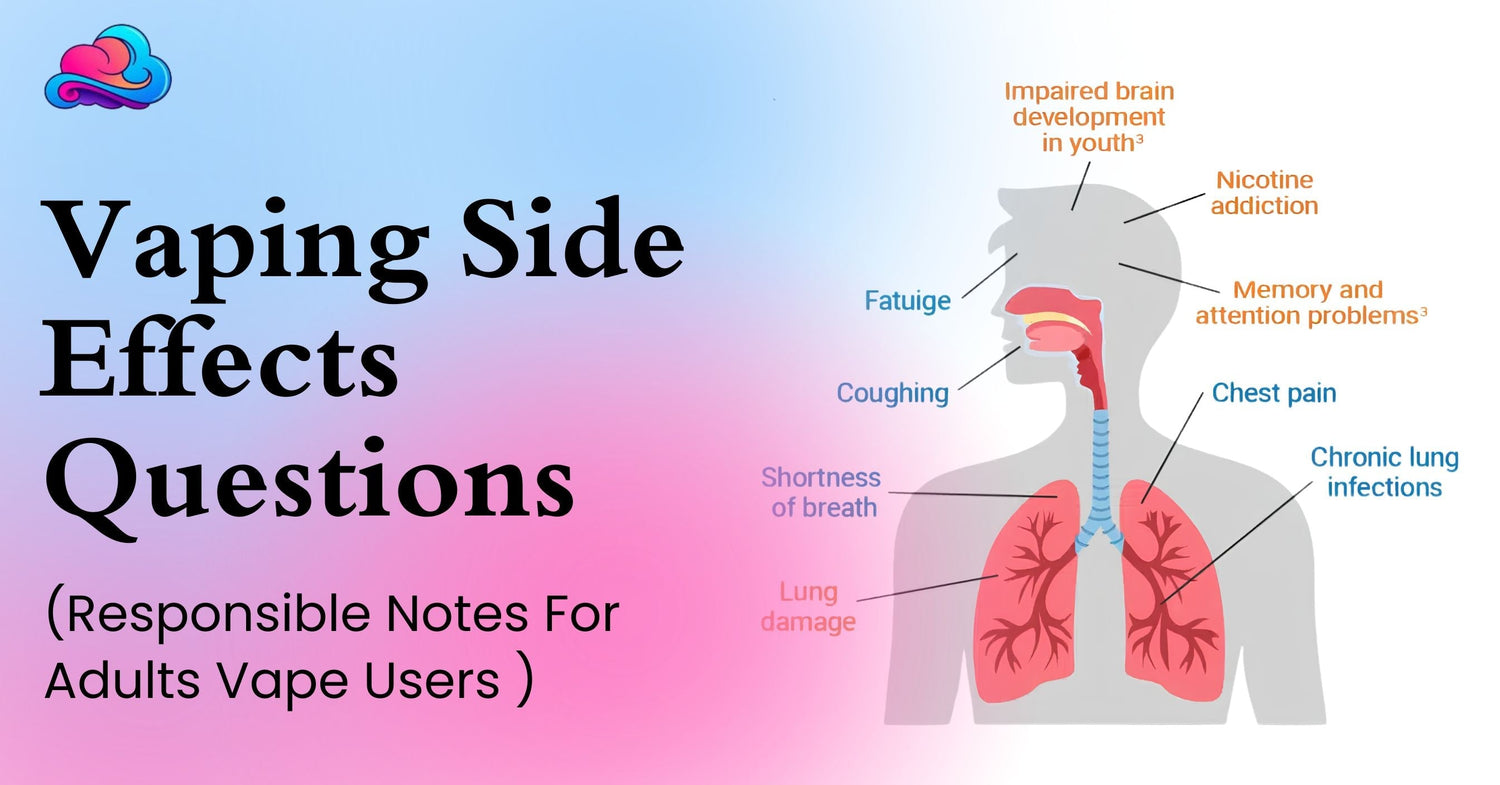
Vaping side effects can feel confusing because the same device may feel normal one day and uncomfortable the next. An adult looking through the Foger vape collection may focus on flavor, device style, or ease of use, but body reactions also deserve attention. A dry throat, headache, nausea, or sudden dizziness should not be ignored. These signs may come from nicotine, frequent puffs, irritation, dehydration, a faulty device, or another health issue.
Can Vaping Cause Uncomfortable Effects?
Yes. Some adult users report throat irritation, coughing, dry mouth, headache, nausea, dizziness, or a fast heartbeat after vaping. The reaction can be mild and pass quickly, but it can also be a warning that your body has received more nicotine or aerosol than it can handle.
Most vapes contain nicotine, which can cause dependence. Vape aerosol may also contain substances that can irritate or harm the body. Public health agencies also state that researchers are still studying the full short term and long term effects of vaping.
Not every uncomfortable feeling has the same cause. A device fault may create a burnt or harsh puff. Strong nicotine intake may cause nausea or dizziness. An illness, allergy, medicine, anxiety, or lack of food may also play a part. Avoid guessing when symptoms are strong, repeated, or getting worse.
The Reason This Topic Matters
Many adult users keep puffing because they think throat pain or dizziness is just part of vaping. Others panic after a small reaction and start changing devices, liquids, or settings without checking their body first.
Both reactions can create more trouble.
The safest first move is to stop using the device and pay attention to the symptom. Device checks should come later. A troubleshooting page such as the Pharaoh Smoke vape phone repair guide may be useful for a technical issue, but it cannot tell you if a physical reaction needs medical care.
This topic also matters because adult users may confuse a device problem with a health warning. A vape that is not producing vapor is one issue. Chest pain, breathing trouble, fainting, or repeated vomiting is a different issue and should never be treated as a basic device fault.
Which Vaping Side Effects May Adults Notice?
Possible vaping effects can vary from person to person. The amount used, nicotine level, puff length, device condition, room temperature, hydration, and personal health can all affect the experience.
Throat Irritation and Coughing
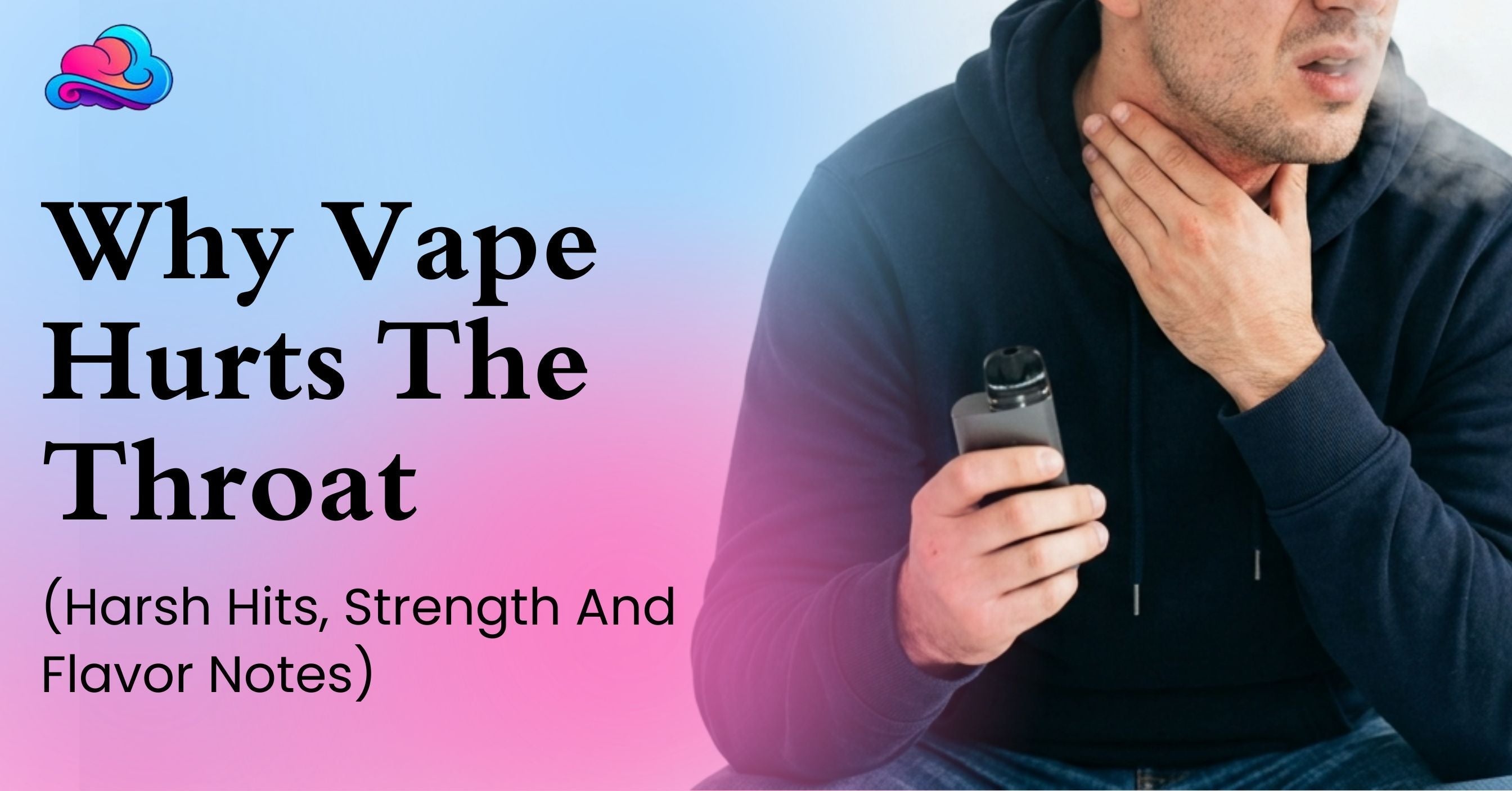
Vape throat irritation may feel like dryness, scratching, burning, or the need to cough. It may happen after long puffs, repeated use, a burnt coil, a leaking device, or contact with an ingredient that does not suit you.
Stop using the device if the throat feels sore or burning. Drink water and allow time for the feeling to settle. Do not keep taking puffs to test whether the irritation is still there.
A harsh taste can also point to a device issue. The vape not working guide covers technical checks, but body symptoms should still come first.
Dizziness and Lightheaded Feelings
Vape dizziness may happen when nicotine intake is too high for the user, especially after several quick puffs. Some people may also feel dizzy when they have not eaten, are dehydrated, are standing in a hot room, or are already unwell.
Nicotine exposure can cause symptoms such as nausea, vomiting, headache, dizziness, confusion, weakness, and changes in heart rate. Strong exposure can become serious.
Sit down in a safe place. Stop vaping. Sip water. Avoid driving or using equipment until the feeling has fully passed. If dizziness is strong, keeps returning, or comes with chest pain, breathing trouble, fainting, confusion, or vomiting, seek medical care.
Nausea, Headache, and Stomach Discomfort
Nausea may appear after frequent puffs or a stronger nicotine intake than the body is used to. Headache can happen at the same time. Some users also notice sweating, weakness, stomach pain, or a shaky feeling.
Do not try to fix nausea by taking another puff. That may add more nicotine and make the reaction worse. Rest, stop nicotine use, and watch for any change. Repeated vomiting, severe weakness, confusion, or loss of balance needs urgent attention.
Dry Mouth and Thirst
A dry mouth may feel minor, but it can become uncomfortable during long vaping sessions. Water can ease dryness, but ongoing irritation should not be covered up with constant drinks while vaping continues.
Give your mouth and throat a break. If dryness keeps returning, think about the timing and frequency of use. Mouth sores, swelling, severe pain, or lasting irritation should be discussed with a healthcare professional.
Fast Heartbeat or Uneasy Feelings
Nicotine can affect heart rate and may leave some people feeling restless, shaky, or uneasy. A person may think it is only stress, while another may think the device is broken.
Stop using the vape and sit calmly. If the heartbeat remains very fast, feels irregular, or comes with chest pain, fainting, sweating, or breathing trouble, get medical care at once.
Can Device Problems Feel Like Body Reactions?
Yes, a technical fault can create an unpleasant puff. A burnt coil may cause a harsh taste. A blocked airflow path may make the user pull harder. A leaking device may allow liquid into the mouth. A damaged battery can create a safety risk.
Still, a device check should never replace a body check.
If a new disposable gives no vapor, tastes burnt, leaks, or becomes hot, stop using it. Read the brand new disposable vape not working article before trying basic checks. Never open, puncture, crush, or heat a disposable device.
For a rechargeable pen, charging problems may be separate from vaping side effects. The vape pen not working after a charge guide can support device checks after you are sure there is no urgent health concern.
Steps to Take After an Uncomfortable Reaction
1. Stop Using the Vape
Put the device down. Do not take another puff to test it. Continuing may increase nicotine intake or irritation.
2. Move to a Safe Place
Sit down if you feel dizzy or weak. Move away from stairs, traffic, heat, water, or machinery. Fresh air may feel better, but avoid walking far if you feel faint.
3. Check the Main Symptom
Notice the main problem. Is it throat irritation, nausea, dizziness, chest pain, breathing trouble, confusion, or a skin reaction? Also note when it began and how many puffs were taken.
4. Sip Water and Rest
Small sips of water may ease dryness. Rest quietly and avoid more nicotine, caffeine, alcohol, or hard exercise while you feel unwell.
5. Check the Device Without Using It
Look for leaking, damage, unusual heat, a burnt smell, or swelling. Do not charge or use a damaged device. Keep it away from children and pets.
6. Get Medical Support When Needed
Call emergency services for severe breathing trouble, chest pain, fainting, seizure, severe confusion, blue lips, or a serious allergic reaction. Seizures and other serious health events have been reported in connection with vape use, so severe signs should not be brushed aside.
For liquid swallowed by a child or adult, liquid on the skin or in the eyes, or possible nicotine poisoning, contact local poison support or urgent medical care. Acute exposure to vape liquid can cause poisoning through swallowing, breathing, skin contact, or eye contact.
A Real Adult User Example
Imagine an adult named Daniel buys a new disposable vape. He takes several long puffs within a few minutes because the first pulls feel light. Soon, his throat feels dry and he becomes dizzy.
Daniel first thinks the device is weak, so he almost takes another long puff. Instead, he stops. He sits down, drinks water, and avoids more nicotine. The dizziness slowly settles.
Later, he checks the device for leaking or heat. He also thinks about the quick puff pattern. The main lesson is not that every dizzy feeling has the same cause. The lesson is that body symptoms come before product testing.
If Daniel had chest pain, trouble breathing, fainting, confusion, or repeated vomiting, waiting beside the device would not be the right response. Medical care would come first.
Habits That Can Make Vaping Side Effects Worse
Taking Many Puffs Close Together
Frequent puffs can raise nicotine intake quickly. A user may not notice the effect until dizziness or nausea begins.
Ignoring a Burnt or Harsh Taste
A burnt taste is a reason to stop. Repeatedly testing it can cause more throat irritation.
Using a Damaged or Leaking Device
Liquid in the mouth, unusual heat, swelling, cracks, or a strong burnt smell should not be treated as normal.
Mixing Vaping With Other Nicotine Products
Using cigarettes, nicotine pouches, or other nicotine products at the same time may raise total nicotine intake. It can become hard to judge which product caused the reaction.
Using both vapes and cigarettes is not considered a safe way to protect health and may increase exposure to harmful substances.
Copying Another Person’s Puff Pattern
Tolerance is personal. A puff routine that feels normal to another adult may feel too strong for you.
Treating Every Symptom as a Device Fault
A device may fail, but chest pain, fainting, breathing trouble, or severe vomiting needs health support, not repeated troubleshooting.
Better Habits for Adult Users
Use only products meant for adult sale and read the label before use. Keep track of puff frequency instead of using the device without noticing. Stop at the first sign of nausea, dizziness, or throat burning.
Do not assume 2 devices will feel the same. An adult viewing the Foger Switch Pro 30K or the RAZ TN9000 should still read the product information and pay attention to personal tolerance. Product names and puff claims cannot predict an individual body reaction.
Store devices and liquids away from children and pets. Do not leave batteries in hot cars or near open heat. Use the correct charging method for rechargeable devices and stop charging if a device becomes swollen, damaged, or unusually hot.
Most of all, do not push through symptoms. A break is better than trying to prove the reaction is minor.
Part of a Bigger Adult Vaping Guide
Vaping side effects are connected to several other adult user topics. Device care, nicotine awareness, puff habits, charging safety, product storage, and warning signs all belong in the same adult vaping safety guide.
A strong pillar article can bring these topics together. This article can then support that guide by giving a focused answer for readers worried about possible vaping effects, nicotine effects, vape throat irritation, or vape dizziness.
Readers should leave this page with 1 clear idea. A device issue can be checked later. A serious body reaction needs attention first.
Signs That Need Medical Care
Speak with a healthcare professional when symptoms keep returning, last longer than expected, or interfere with normal activity. It is also wise to seek medical advice if you have heart disease, lung disease, asthma, allergies, take regular medicine, or are pregnant.
Vape use is not considered safe during pregnancy because most vapes contain nicotine, which can affect fetal development.
Get urgent medical care for chest pain, severe breathing trouble, fainting, seizure, confusion, severe weakness, repeated vomiting, or swelling of the lips, tongue, or throat.
Smokey Cloudz provides adult product information and device related reading. It cannot diagnose a health condition. Responsible support means knowing the point where product guidance must stop and medical care must begin.
A Responsible Next Step
Vaping side effects should not be treated as a normal price of using a device. Throat irritation, dizziness, nausea, headache, dry mouth, and a fast heartbeat can be signs that the body needs a break. Strong or repeated symptoms need more attention.
Stop using the device when you feel unwell. Rest in a safe place. Check for serious warning signs. Get medical care when symptoms are severe or uncertain.
FAQs
Can vaping cause dizziness?
Yes. Nicotine intake may cause dizziness, especially after several quick puffs. Stop vaping, sit down, and seek care if it is strong or repeated.
Can vaping irritate the throat?
Yes. Vape throat irritation may feel dry, scratchy, sore, or burning. Stop using the device if irritation begins.
Can too much nicotine cause nausea?
Yes. Too much nicotine may cause nausea, vomiting, headache, dizziness, sweating, or weakness.
Is a burnt taste linked to side effects?
A burnt taste can irritate the throat. Stop using the device and do not keep testing it.
When should an adult seek urgent care?
Seek urgent care for chest pain, severe breathing trouble, fainting, seizure, confusion, repeated vomiting, or severe swelling.
For a wider public health view, readers can review the CDC guidance on e cigarettes, which covers nicotine concerns, aerosol exposure, and current public health research.


Leave a comment
This site is protected by hCaptcha and the hCaptcha Privacy Policy and Terms of Service apply.