
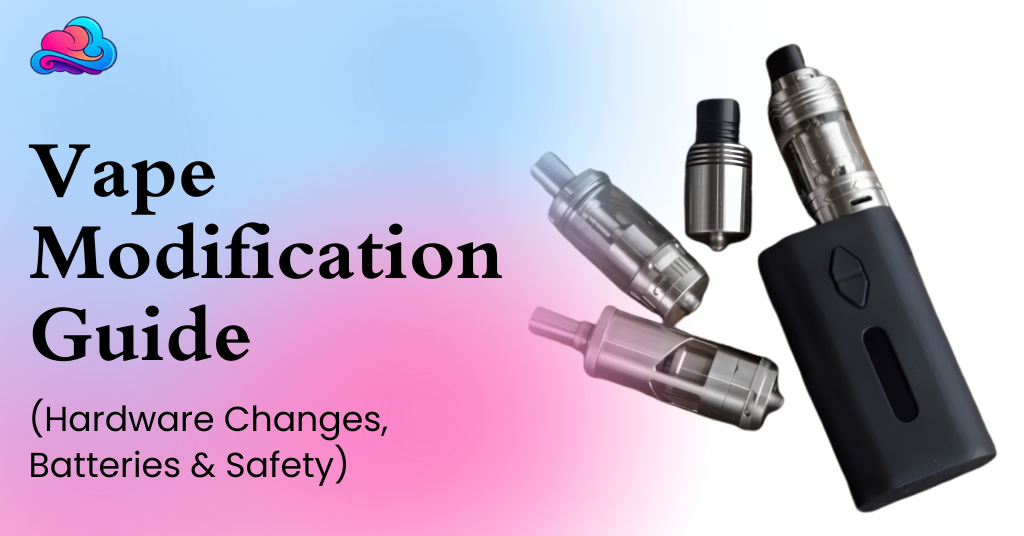
Modded vapes can look interesting because the device may appear different from its original factory version. Some changes may affect only the outside appearance, while others may involve the battery, heating parts, connections, airflow, controls, or internal electronics. Once internal hardware is changed, the original device information may no longer describe the exact setup in front of you.
That matters because a modified vape device can behave differently from the stock product. A custom vape modification that affects electrical parts can also change battery demand, charging behavior, heat, or the relationship between connected components. The fact that a device turns on does not confirm that every altered part is working within its intended limits.
Adults comparing altered hardware can also review the wider 360 Tobacco and Vape retail guide for product identity and retailer checks. Store information, device condition, and hardware changes should remain separate parts of the buying decision.
This article is written for adults aged 21 and older. It focuses on hardware awareness and risk reduction. It does not give instructions for bypassing protections, rewiring batteries, opening sealed devices, or increasing electrical output.
A Modified Vape Device Explained
A modified vape device is a vape that no longer matches its original hardware arrangement because one or more parts have been changed outside the factory design. The change may involve the body, battery system, heating section, electrical contacts, airflow, or another component.
Not every adjustment makes a device modified. A vape that comes from the maker with airflow control, operating modes, or another adjustable feature is still being used within its original design when those controls are used as intended.
That is different from vape hardware modification involving internal components. Once electrical or battery parts are changed, the device may no longer operate exactly as the original product information describes.
The difference between factory controls and alteration is important. It keeps normal product settings from being confused with a modded e-cigarette that has had hardware changed after manufacture.
Factory Controls Versus Custom Vape Modification
A custom vape modification should be separated from features already built into the product.
For example, an adult can review the original Geek Bar CLR product page when checking the stock product identity. Any controls listed by the maker belong to the original design. Using those intended controls is different from opening the body or changing internal electrical parts.
The same principle applies to modded vapes in general. Start with the factory version and identify exactly which part is different.
This creates a clear baseline. Without the original device information, it becomes harder to know whether a battery, heating part, charger, or connection still matches the intended hardware.
Electrical Behavior After Vape Hardware Modification
Vape hardware modification can matter greatly when the altered part carries electrical current. Batteries, heating elements, contacts, control boards, and charging sections work as a connected system.
Changing one part may change the demands placed on another part. The exact result depends on the device and the alteration. That is why an altered vape should not be tested through repeated firing just to see whether it still operates.
A screen turning on can confirm that the device has power, but it cannot confirm full electrical compatibility. The same applies when vapor is produced. Operation at that moment is not proof that the altered setup matches the original electrical requirements.
A modified vape device with unclear internal changes deserves more caution than a stock device with documented specifications.
Modified Vape Battery Concerns
A modified vape battery is one of the most important areas to review because the battery supplies energy to the rest of the hardware.
Physical size alone is not enough for battery compatibility. Battery condition, device requirements, electrical rating, battery count, orientation, charging method, and the type of battery system can all matter.
The 18650 vape battery compatibility and safety guide gives wider context for removable cells, damaged wraps, charging, storage, and device matching.
If a modified vape battery has an unclear identity, damaged covering, swelling, leaking, unusual heat, damaged terminals, or an uncertain history, using it again just to test the device adds unnecessary risk.
A battery that appears normal from the outside may still need confirmation against the original device requirements.
Sealed Hardware Needs Different Treatment
Many current vape products contain built in batteries and sealed hardware. Those products should not be treated the same as devices designed for user removable cells.
The original RAZ RX 50000 disposable vape page can serve as a stock product reference when comparing an unchanged product with altered hardware.
A sealed product creates an important boundary around custom vape modification. Opening the body can affect parts that were never intended to be accessed during ordinary use.
That can turn a cosmetic idea into an electrical issue very quickly. Once internal parts are disturbed, the original product information may no longer represent the current condition of the device.
Replacement Components Also Need Exact Matching
Not every replaceable part is universal. A replacement pod can belong to a named device family and may depend on a matching battery or base.
The CLIO Platinum replacement pod is a useful product reference for understanding the difference between an intended replacement component and unsupported hardware alteration.
Using a replacement part that was designed for the system is different from vape hardware modification involving parts that were not intended to work together.
This distinction matters with a modded e-cigarette because some users may call any replaced component a modification. A normal supported replacement is not the same thing as changing the device outside the maker's intended setup.
A 6 Point Review Before Altered Hardware Is Used
When modded vapes are involved, the first goal should be confirming the hardware rather than testing performance.
-
Record the exact original device model.
-
Identify which part was changed.
-
Compare the current battery with the original device requirements.
-
Inspect the battery, contacts, charging area, and outer body for damage.
-
Confirm that replacement parts belong to the intended device system.
-
Keep the device out of service when electrical compatibility cannot be confirmed.
This process is a review method, not a modification guide. It is meant for an adult who already has altered hardware and needs to decide whether the current setup can be understood with confidence.
A modified vape device with unknown wiring, unclear battery history, or unsupported components should not be treated as a normal factory product.
Real World Example: A Used Device With Unknown Changes
Imagine an adult buys a used vape from another person. The seller says the battery section was changed because the original setup was not performing as expected.
The device turns on, but no record explains which parts were replaced or whether the modified vape battery matches the original requirements.
At this point, repeatedly firing the device gives very little useful information. The more important task is identifying the original model and comparing its intended hardware with what is currently installed.
If the changes cannot be identified, the device should not be treated as proven compatible. This is one of the main frustrations with modded vapes. The outside can look normal while the important uncertainty sits inside the hardware.
Protection Features May No Longer Act the Same
Some regulated devices include electronic systems that control power and monitor parts of normal operation.
A custom vape modification affecting those electronic areas can create uncertainty about whether the original controls still behave as intended. The exact result depends on the device and the alteration.
It is not reasonable to assume every factory protection remains unchanged after internal electrical work. The original specification only describes the product in its intended configuration.
A modded e-cigarette with changes around its electrical path should therefore be evaluated through the original device information and the exact altered components rather than assumptions.
Issues That Often Create Trouble
One frequent issue is assuming a modification is only cosmetic. That may be true for some outside changes, but battery or electrical changes are a different matter.
Another problem is assuming a battery is compatible because it fits. A modified vape battery must still match the electrical and physical requirements of the intended device.
Adults may also trust a used device because it operated normally during a short test. That test cannot confirm long term electrical compatibility or the condition of unknown internal parts.
Another error is treating unsupported hardware changes as a health improvement. A different coil, battery, housing, or airflow arrangement cannot by itself support a health claim.
Hardware Changes Are Not Health Claims
A modded e-cigarette should not be described as healthier because its hardware was altered.
The Smokey Cloudz guide covering vape health claims and supporting evidence keeps health statements separate from device marketing.
That distinction matters with modded vapes because performance changes can easily be turned into unsupported claims. More vapor, different airflow, another battery arrangement, or altered hardware does not prove reduced health risk.
Health statements need evidence tied to the claim itself. Hardware customization cannot replace that evidence.
Retail and Product History Matter
A used or altered vape should come with as much product history as possible. The original model name, battery type, replaced components, and reason for modification all matter.
Without that information, an adult may be comparing the current device against the wrong specifications.
Retail listings can describe the original product, but an altered version may no longer match those details. This is especially important when the seller is not the person who performed the vape hardware modification.
The further a product moves from its documented factory state, the more difficult it becomes to rely on the original listing alone.
Legal Status Is a Separate Issue
Modification and legal status should not be mixed together.
The Smokey Cloudz article covering current Texas vape rules discusses state restrictions and product related rules separately from hardware condition.
A custom vape modification does not automatically change the legal requirements attached to the product or the place in which it is sold.
Technical compatibility and legal compliance answer different questions. Both may matter, but one cannot be used as proof of the other.
Better Practices Around Altered Devices
Keep the original model information with the device. That gives a starting point for battery, charger, pod, and component checks.
Do not mix unknown parts simply because the connectors appear to fit. Physical connection is only one part of compatibility.
Keep damaged batteries and altered hardware out of service until their condition can be properly assessed. Unusual heat, swelling, leaking, damaged terminals, burned areas, or major battery covering damage deserve attention.
A modified vape device should also be kept away from improvised charging setups. Charging information should come from the intended hardware rather than trial and error.
The Bigger Hardware Strategy
The topic of modded vapes fits naturally inside an adult vape hardware safety guide.
A wider pillar can cover batteries, charging, device formats, supported replacement parts, sealed devices, hardware condition, and product troubleshooting. This article can stay focused on changes made outside the factory setup.
That wider view is useful because a vape hardware modification can involve several areas at once. Battery questions may connect with charging questions, while unsupported parts may create new compatibility concerns.
No pillar URL was supplied, so the pillar phrase remains unlinked.
When Technical Support Makes Sense
Technical support makes sense when the exact alteration cannot be identified, the battery type is uncertain, the device becomes unusually hot, charging behavior changes, or the hardware shows visible damage.
A qualified product or battery professional should have the original model information and a clear description of the changes before giving device specific guidance.
Do not keep testing a questionable modded e-cigarette through repeated charging or firing when the electrical setup is unknown.
Clear information about the device is more valuable than trying to prove that an uncertain setup can still produce vapor.
Battery Fire Guidance Before Further Use
Battery condition deserves a final review before any altered device is considered for further use. Batteries can be affected by damage, unsuitable charging, poor storage, extreme temperatures, and hardware that does not match the intended device.
The official FDA guidance on avoiding vape battery fires or explosions gives adults a federal reference for battery care, charging, storage, damaged batteries, and manufacturer instructions.
That source belongs near the end of the decision because a modified vape battery can create uncertainty that a normal factory manual may no longer fully answer.
If battery safety cannot be confirmed, keeping the altered device out of service is the more careful option.
Conclusion
Modded vapes can differ from their original versions in ways that go far beyond appearance. Changes around batteries, electrical parts, charging areas, heating hardware, and internal connections can affect the way the entire device behaves.
A custom vape modification should always be compared against the stock device first. That comparison gives an adult a baseline for checking battery type, supported components, charging, and hardware condition.
A modified vape device that turns on is not automatically a compatible device. Unknown parts, damaged batteries, unsupported replacements, or unclear electrical changes deserve caution.
For altered hardware, the strongest approach is to confirm the original product, identify every change, and keep the device out of service when its electrical condition cannot be verified.
FAQs
Modded Vape Meaning?
A vape becomes modified when hardware is changed outside the original factory arrangement.
That can include battery, electrical, heating, connection, housing, or other component changes.
Factory Controls Count as Modification?
Not normally. Using airflow controls, screens, or operating modes provided by the maker remains part of the intended product design.
Changing internal hardware is a different situation.
Modified Battery Can Change Device Behavior?
Yes. Battery changes can affect the electrical relationship between the power source and the rest of the device.
Exact effects depend on the product and the battery arrangement.
Physical Battery Fit Prove Compatibility?
No. Physical size is only part of battery matching.
Device requirements, battery condition, electrical needs, count, orientation, and charging method can also matter.
Sealed Device Suitable for Internal Modification?
A sealed device is not designed around normal user access to its internal battery and electronics.
Opening it can move the product outside the condition described by its original specifications.
Altered Hardware Prove Lower Health Risk?
No. Hardware changes cannot by themselves support a health claim.
Health statements need separate evidence.
First Check for a Modified Device?
Start with the exact original model and identify every part that was changed.
If the current hardware cannot be matched confidently to the intended system, keep the device out of service.

Leave a comment
This site is protected by hCaptcha and the hCaptcha Privacy Policy and Terms of Service apply.