
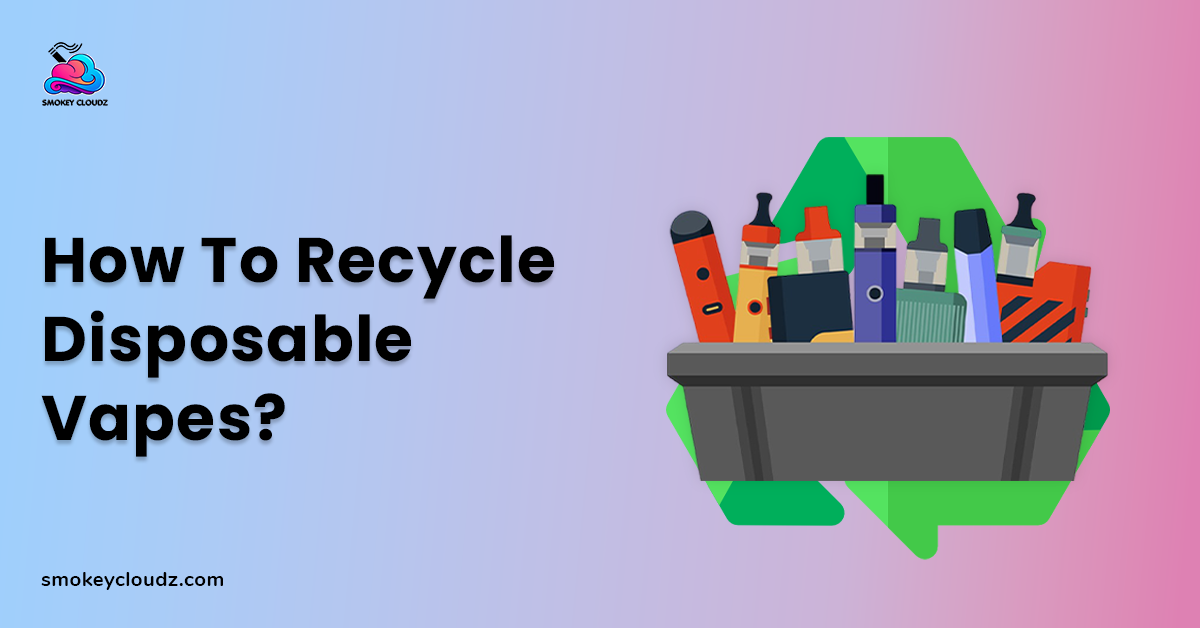
A used disposable vape may feel like ordinary trash once it stops working, but the inside tells a different story. These devices can contain a lithium battery, electronic parts, metal, plastic, and nicotine liquid residue. That mix means the final disposal step needs more care than dropping the device into a kitchen bin or curbside recycling container.
Knowing how to recycle disposable vapes matters because lithium batteries can be damaged when waste is crushed or compacted. The EPA also states that nicotine is toxic and that discarded e cigarettes should not be placed in household trash or household recycling. Used devices should instead go to a household hazardous waste collection site.
This can feel inconvenient, especially when a small device looks harmless after it stops producing vapor. Still, keeping it out of ordinary waste protects waste workers and lowers the chance of battery fires or chemical releases during collection and processing.
This guide is for adults aged 21 and older. It focuses on disposal and recycling practices, not on encouraging vape use.
Disposable Vapes Need a Different Waste Route
Disposable devices combine electronic hardware with materials that need careful handling. The EPA specifically points to lithium batteries and nicotine as 2 reasons e cigarettes should stay out of normal trash and recycling containers. Damaged lithium batteries can catch fire, while nicotine can create risks for workers and the environment.
That means a finished vape should not be treated like an empty plastic bottle. Even when the liquid appears finished and the battery no longer powers the device, some charge or residue may remain inside.
This is also why how to recycle disposable vapes is really a waste handling question, not just a question about separating plastic from metal. The full device may need to remain intact until the local hazardous waste program receives it.
Smokey Cloudz covers the wider disposal process in its safe vape disposal guide, including storage, battery concerns, and local collection options.
Materials Inside a Used Disposable Vape
The outside shell can make a disposable device look basic, yet several different materials can sit inside it. A typical device can contain a battery, electronic contacts, a heating coil, wiring, a circuit section, liquid carrying material, and an outer shell.
The battery deserves the most attention during disposal. The EPA warns that lithium batteries can catch fire when damaged and may be crushed by garbage trucks, compactors, and equipment at waste facilities.
Liquid residue also matters. Even a device that seems finished may still contain some nicotine liquid. The Smokey Cloudz article on vape chemicals and aerosol contents also notes that nicotine is only one part of the material involved in vaping products.
For disposal purposes, there is no need for the user to identify every metal or chemical inside. The safer approach is to keep the device intact and send it through the waste route accepted for the complete vape.
Sealed Disposable Devices Should Stay Sealed
Old recycling advice sometimes tells people to open a disposable device, remove the battery, empty the liquid, and sort each material at home. That approach creates avoidable risk with sealed products.
Many disposable vapes are not designed for user disassembly. Cutting, twisting, puncturing, or prying open the body can damage the lithium battery or expose liquid residue. Smokey Cloudz also advises against opening sealed devices during disposal preparation.
This changes an important part of how to recycle disposable vapes. You normally do not need to turn the device into separate piles of battery, metal, and plastic yourself.
Let the receiving household hazardous waste program tell you whether any special preparation is required. If the battery is built into a sealed body, leave it there unless official product or waste program instructions clearly say otherwise.
How to Recycle Disposable Vapes Without Opening Them?
The safest process starts with keeping the finished device out of ordinary waste. Do not place it in household trash and do not drop it loose into a curbside recycling container. The EPA advises taking e cigarettes to a household hazardous waste collection site instead.
Next, keep the device away from heat, flame, children, pets, keys, coins, and sharp objects while you wait for disposal. Avoid crushing, bending, puncturing, or opening it.
Then contact your local solid waste agency or household hazardous waste program. Ask whether it accepts complete disposable vapes or electronic nicotine devices. EPA notes that many towns and counties operate household hazardous waste collection programs.
Finally, follow that facility's instructions for drop off. Local programs may have different collection days, locations, or handling rules, so the local answer matters more than a general internet checklist.
A Practical 5 Step Disposal Routine
A short routine makes how to recycle disposable vapes easier to remember without turning the process into home disassembly.
-
Stop using the device when it is finished, damaged, leaking, or no longer working as intended.
-
Keep it intact. Do not cut the shell or pull out a sealed battery.
-
Store it temporarily in a safe place away from heat, children, pets, and objects that could damage it.
-
Contact your household hazardous waste program and confirm that complete vape devices are accepted.
-
Take the device to the approved collection location and follow the staff instructions.
This process is intentionally cautious. The waste facility has equipment and procedures that a normal household does not have.
Rechargeable Does Not Mean Reusable Forever
A product can contain a rechargeable battery and still be sold as a disposable vape. That detail can confuse buyers because charging sounds like a feature associated with reusable electronics.
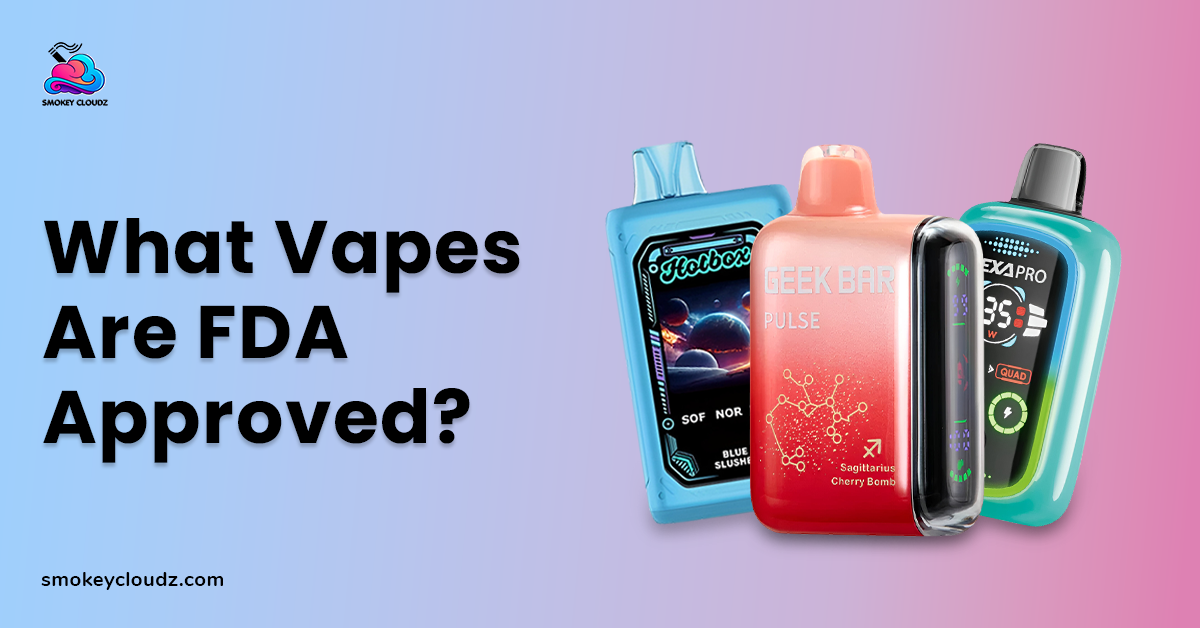
For example, the Geek Bar Pulse X 25000 disposable is listed with a rechargeable battery but is also described as a sealed disposable that should not be refilled, opened, or modified.
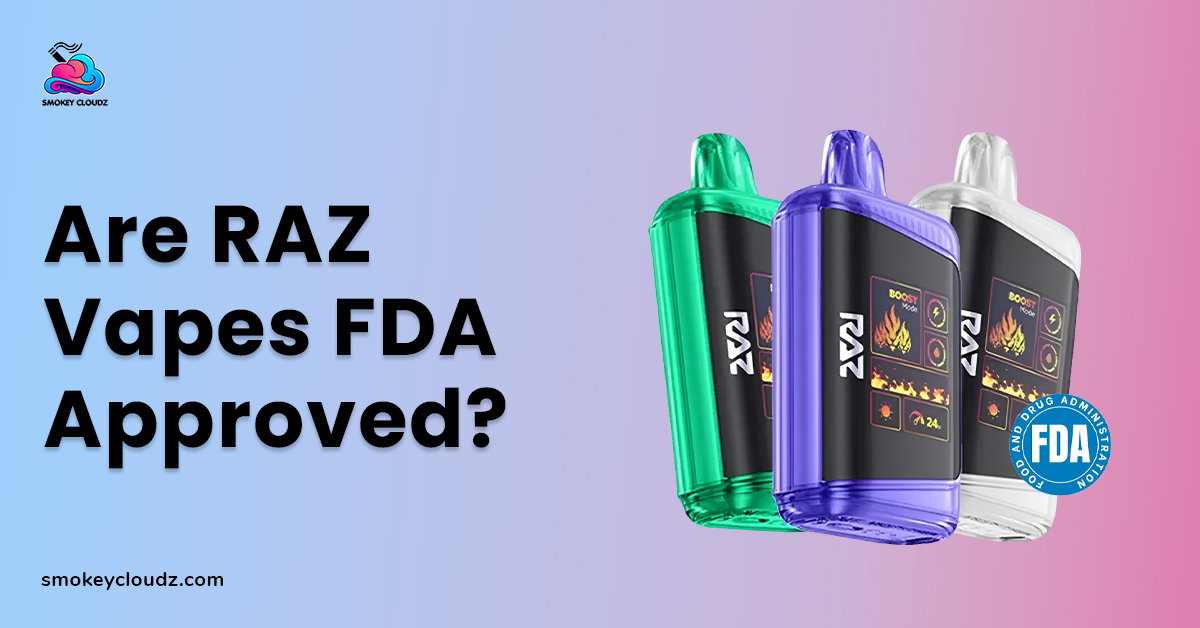
The RAZ LTX 25000 disposable device is another rechargeable disposable product. Its rechargeable battery keeps the hardware powered while the prefilled product remains usable, but the device still reaches an end of life stage.
The Foger Switch Pro 30K disposable also uses a rechargeable battery while being sold as a disposable device.
The disposal rule therefore depends on the full product design, not just whether a charging port is present.
Real World Example: A Finished Vape at Home
Imagine an adult has finished a rechargeable disposable vape. The screen no longer shows usable liquid, but the device still contains a battery. Throwing it into the kitchen trash feels quick, and placing it in the recycling bin may seem environmentally responsible.
Neither option matches EPA guidance. The better path is to keep the device intact, store it away from heat, and contact the local household hazardous waste program. Once acceptance is confirmed, the complete device can be taken to the collection site.
That example captures the main idea behind how to recycle disposable vapes. Recycling does not always mean placing something into the household recycling bin.
For products that combine batteries and nicotine residue, responsible recycling may begin with a hazardous waste collection program that can manage the device properly.
Curbside Recycling Is the Wrong Bin
A recycling logo or recyclable material inside a product does not mean the complete disposable vape belongs in curbside recycling.
The EPA specifically says e cigarettes should not go into household recycling. Lithium batteries may become damaged during collection and processing, which can create fires at waste and recycling facilities.
The same issue explains why separating a plastic shell at home is not automatically useful. If opening the device means exposing or damaging a battery, the attempted recycling step creates another problem.
Think of the complete vape as a battery powered hazardous waste item until your local waste program gives instructions for that exact device type.
E Waste Centers and Battery Programs Need Confirmation
Some communities may have electronic waste or battery collection programs, but not every program accepts complete vapes. A battery drop off point may accept loose household batteries while refusing a sealed nicotine device.
Call first rather than arriving with a bag of used products and assuming they belong there. Ask specifically about disposable vapes, e cigarettes, or electronic nicotine delivery devices.
This small check saves time and reduces the chance that the device gets redirected into ordinary waste after a rejected drop off.
EPA's preferred guidance for individuals is a household hazardous waste collection site. Local solid waste agencies can also give current information about nearby collection options.
Leaking or Damaged Devices Need Extra Care
A leaking, crushed, swollen, punctured, or unusually hot device should not be handled like a normal finished vape.
Do not keep using it to empty the remaining liquid. Do not press, bend, or open the casing in an attempt to make recycling easier.
If liquid is leaking, avoid direct skin contact and keep children and pets away. EPA notes that liquid nicotine can be absorbed through the skin and can cause nicotine poisoning.
Contact the local hazardous waste program for instructions on handling and transporting the damaged device. If there is an immediate fire or serious exposure emergency, use the appropriate local emergency service rather than treating it as a normal recycling question.
Leftover Liquid Should Not Go Down the Drain
A device may stop working while some liquid remains inside. That does not mean the user should open the vape and pour the remaining liquid into a sink.
Smokey Cloudz disposal guidance advises keeping leftover liquid out of drains and avoiding opening sealed devices.
The goal is to reduce direct contact with liquid and avoid damaging the battery at the same time. If the device is sealed, the complete unit can be managed through the household hazardous waste route.
This is another place where older home disassembly advice can create more risk than benefit. Proper waste handling is not the same as taking every device apart yourself.
Cleaning and Recycling Serve Different Purposes
Cleaning can extend the usable life of some refillable equipment, but a sealed disposable normally has different care limits.
The Smokey Cloudz vape cleaning guide separates refillable parts from battery sections and warns against opening areas that can damage the battery or create a safety problem.
Cleaning should therefore be used only for parts designed to be maintained. It should not become a method for opening a finished disposable before disposal.
When the product reaches the end of its intended life, move from care instructions to the proper waste route.
Reusable Systems Can Change the Waste Pattern
Adults thinking about waste may compare disposables with devices that use replaceable pods, coils, or refillable parts. A reusable system may reduce the number of complete devices discarded, but it still creates waste from coils, pods, bottles, and eventually batteries.
The Smokey Cloudz article on vape coil lifespan and replacement notes that many disposable coils are built into the product, while replaceable systems handle coil wear differently.
That difference can affect the type and frequency of waste, but no vaping system is waste free. Every battery powered device still reaches an end point that requires responsible handling.
The environmental question should therefore focus on the entire product life cycle rather than assuming that a rechargeable or replaceable part removes disposal needs.
Transporting a Used Vape to a Collection Point
A used vape is still an electronic item containing metal and a battery. Keep that in mind when carrying it to a disposal location.
The Smokey Cloudz article on vapes and metal detector screening explains that vapes contain metal and electronic components that can be noticed by security equipment.
For a normal local waste drop off, the main concern is keeping the device protected from crushing, puncture, and excess heat. Follow any packing instructions given by the collection program.
If travel or security screening is involved, check the rules for that location separately. Recycling advice does not replace transport or venue rules.
Issues People Often Face
The first issue is putting the device in curbside recycling because the user genuinely wants to recycle it. That intention makes sense, but the EPA says household recycling is not the correct route for e cigarettes.
Another issue is trying to remove a sealed battery. Opening the casing can damage the battery or expose liquid, so this should not be treated as a normal home recycling step.
People also keep old vapes loose in cars, bags, or drawers for months. Heat, pressure, coins, keys, and other objects can make storage less suitable.
A final problem is assuming every electronic waste or battery location accepts complete vape products. Confirm acceptance before making the trip.
Better Disposal Habits for Adults
Set aside one protected location for used devices while waiting for a scheduled hazardous waste trip. Keep that spot cool, dry, and away from children and pets.
Do not pile loose devices together with sharp metal objects. Avoid crushing or bending them, and move a damaged or leaking device away from normal household storage while you contact the local waste program for instructions.
Keep the product name available if possible. Knowing whether the item is a sealed disposable, rechargeable disposable, pod system, or reusable battery device can make the conversation with a waste program easier.
Most importantly, treat disposal as part of owning the product. The device still needs responsible handling after the final usable puff.
The Bigger Vape Care Strategy
Knowing how to recycle disposable vapes fits into a wider adult device care routine. Buying, charging, cleaning, storing, and disposal are connected stages, even though each stage needs different instructions.
The safe vape disposal guide is the strongest pillar connection for this article because it covers broader end of life handling beyond disposable recycling alone. It gives context for used batteries, complete devices, storage, and local waste collection.
A strong content path can move from device care to product life, then into disposal once the product is no longer usable.
That gives readers a full ownership picture instead of treating recycling as an afterthought.
Official EPA Guidance for Used E Cigarettes
Near the end of the disposal process, the federal guidance is direct. EPA says not to put e cigarettes into household trash or household recycling. It recommends taking them to a household hazardous waste collection site because the devices can contain nicotine and lithium batteries.
Adults can review the supplied EPA guidance for safe e cigarette disposal for the federal explanation and household collection advice.
Local rules still matter because collection programs are managed at state, county, or city level. Contacting the local solid waste agency remains an important step before drop off.
That combination gives the clearest answer: use federal safety guidance as the base, then follow the local program's current acceptance instructions.
Conclusion
Understanding how to recycle disposable vapes starts with one important correction. A disposable vape should not be placed in ordinary trash or household recycling simply because it is small or appears empty.
Keep sealed devices intact, protect them from heat and damage, and use a household hazardous waste collection program that accepts e cigarettes. Do not open a disposable merely to separate the battery, plastic, or metal.
Recycling these products responsibly is less about taking them apart at home and more about sending the complete device through a waste system prepared to handle batteries and nicotine residue.
A careful final disposal step keeps a finished device from becoming an unnecessary problem for household bins, recycling equipment, and waste workers.
FAQs
Disposable Vape in Household Trash?
No. EPA guidance says e cigarettes should not be placed in household trash because lithium batteries can become damaged and cause fires.
Use a household hazardous waste collection site instead.
Disposable Vape in Curbside Recycling?
No. EPA also says not to put e cigarettes into household recycling.
The battery and nicotine residue require a different waste route.
Battery Removal Before Recycling?
Do not open a sealed disposable merely to remove its battery. Cutting or prying into the device can damage the lithium battery.
Follow the receiving waste program's instructions for the complete device.
Best Place for a Finished Disposable Vape?
EPA recommends a household hazardous waste collection site for individuals.
Contact your local solid waste agency first and confirm that the site accepts complete e cigarettes.
Leftover Vape Liquid in the Sink?
Do not open a sealed device and pour remaining liquid into a household drain.
Keep the unit intact and follow hazardous waste instructions for the complete product.
Rechargeable Disposable Still Needs Disposal?
Yes. A charging port does not make a disposable product permanent.
Once the product reaches the end of its usable life, its battery and remaining electronic parts still need proper waste handling.
Electronic Waste Center Accept Every Vape?
Not necessarily. Local programs can have different acceptance rules.
Call first and ask specifically whether complete disposable vapes or e cigarettes are accepted.
Damaged Disposable Vape Ready for Normal Drop Off?
A damaged, leaking, swollen, punctured, or unusually hot device needs extra care.
Contact the hazardous waste program for handling instructions rather than opening or crushing the product.
How to Recycle Disposable Vapes Safely?
Keep the device out of trash and curbside recycling, leave sealed products intact, store them away from heat and damage, and contact a household hazardous waste program.
Follow the local site's instructions for final drop off.

Leave a comment
This site is protected by hCaptcha and the hCaptcha Privacy Policy and Terms of Service apply.