
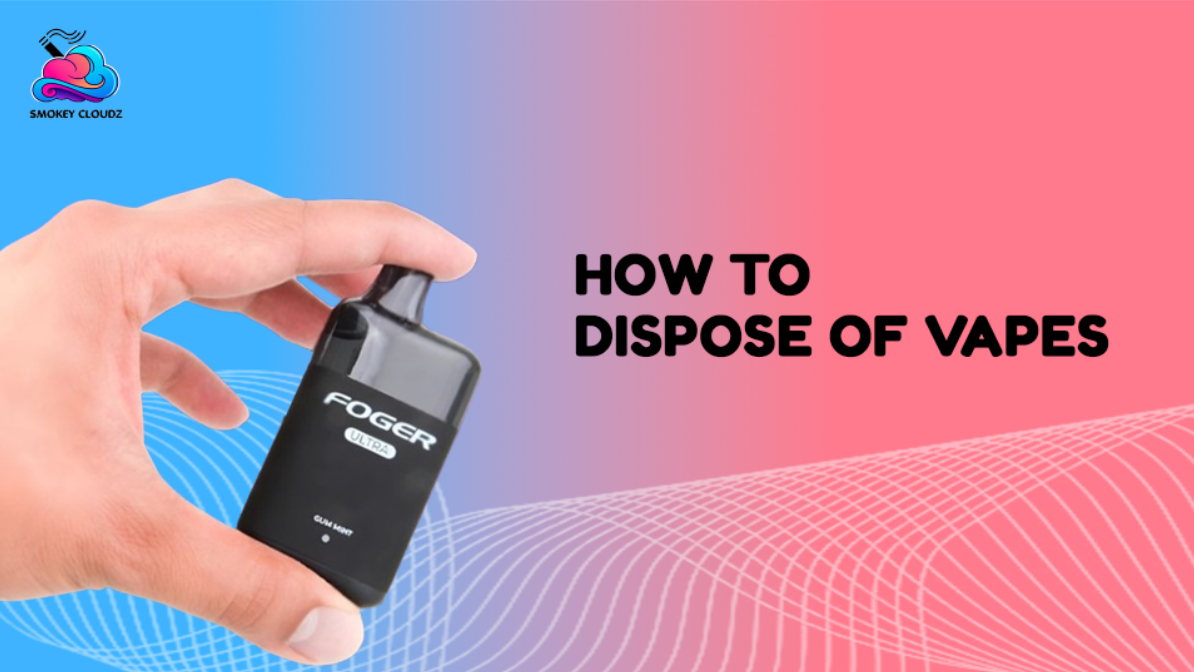
Throwing a used vape in the trash may feel like the easiest move, but it can create real safety and waste problems. A disposable vape often has a lithium battery, wires, plastic, metal parts, and leftover vape liquid inside. If you use adult vape devices such as the Foger Switch Pro 30K, it is also important to understand the right end of life steps after the device is finished.
Many people feel confused because vapes are small. They look harmless, but they are not normal trash. A used vape can leak, spark, or cause a fire if crushed in a garbage truck. That is the main reason safe disposal matters in California and across other U.S. states.
For adults 21+ only. This guide is for general waste education. Always check your city, county, or state waste rules before disposal.
Quick Answer For Safe Vape Disposal
The safest answer for how to dispose of vapes is this: do not put them in regular trash or normal recycling bins. Take used vapes to a household hazardous waste site, an e-waste collection center, or a local program that accepts vape devices.
California treats many e-waste and battery items with strict care, and local counties may guide residents to household hazardous waste drop off programs. Other states may use different names, but the safe path is usually the same. Keep vapes out of home trash and use an approved drop off point.
Vape Waste Basics In Plain Words
A vape is not just plastic. It is a small electronic device. Even a tiny disposable can include a battery, circuit board, metal parts, and chemical residue.
The battery is the part that creates the biggest fire concern. If the battery is crushed, bent, punctured, or heated, it can become unsafe. This can happen inside trash trucks, recycling machines, or landfill equipment.
Leftover liquid is another concern. Some devices may still have nicotine liquid inside. That liquid should not be poured into drains, rinsed out, or dumped outside.
So vape disposal needs care because it connects with fire safety, chemical waste, and electronic waste.
California Disposal Notes
California residents should be extra careful with vape disposal because the state has strong rules around hazardous waste, universal waste, and e-waste handling. California’s Department of Toxic Substances Control says households in California must take electronic nicotine delivery system wastes, including items that contain or once contained nicotine e-liquid, to a household hazardous waste facility or event.
This means a used vape should not go into a kitchen trash bag or regular curbside recycling bin. A better step is to check your county household hazardous waste program.
For example, Los Angeles County says its Household Hazardous and Electronic Waste program is made for items that cannot go in regular trash. Other California counties have their own drop off events, collection centers, or city waste pages.
Other U.S. State Disposal Notes
Rules can change by state and city, but the safe path is very similar in most places. Used vapes should go through household hazardous waste, e-waste, or battery collection programs.
Some states give clear warnings that vape devices can be a fire hazard in solid waste systems. New Hampshire’s environmental agency says residents should bring e-cigarettes and vape devices to household hazardous waste collection because these devices can create fire hazards for waste facilities and haulers.
If you are not sure, search your city name plus “household hazardous waste vape” or call your local waste office. Calling first saves time because some locations accept batteries but not full vape devices.
Main Parts Inside A Used Vape
A used vape has several parts that make disposal more serious than normal trash.
Lithium battery
This battery powers the device. It may be sealed inside the vape and hard to remove safely.
Plastic shell
The outer body may not break down well in landfills.
Metal parts
Small metal parts may be inside the coil, mouthpiece area, or circuit.
Circuit board
This makes the device electronic waste.
Leftover liquid
Some liquid may remain inside even when the device feels empty.
Because these parts are mixed together, normal recycling centers may reject the device. A trained waste program is a safer route.
Safe Step By Step Disposal Plan
Follow this plan before you throw away any used vape.
-
Stop using the device
If the vape tastes burnt, leaks, gets hot, or stops working, set it aside safely. -
Keep it away from heat
Do not leave used vapes in a car, near a window, or near fire. -
Store it upright
Place it in a small container or bag so it does not leak in a drawer or backpack. -
Do not open sealed devices
Many disposables are not made to be opened. Cutting them open can damage the battery. -
Call your local waste program
Ask if they accept disposable vapes, e-cigarettes, vape pens, or lithium battery devices. -
Use a household hazardous waste site
This is often the best place for finished vape devices. -
Ask about battery handling
If the battery is removable, your local program may have a separate battery bin.
If you are dealing with a rechargeable device, this guide on charging a vape can support safer use before the device reaches its disposal stage.
Real Life Disposal Example
Imagine you live in California and finish a disposable vape. The device no longer gives vapor, but it still has a battery inside. You almost toss it into the trash. Then you remember that trash trucks crush waste.
Instead, you place the vape in a small container, keep it away from heat, and check your county household hazardous waste page. The next weekend, you drop it off at an approved site.
That small action helps reduce fire risk and keeps battery waste out of regular trash.
Now imagine another person throws 5 used vapes into a home recycling bin. A recycling machine crushes mixed items. The battery can spark or cause damage. That is the kind of issue proper disposal helps prevent.
Errors That Create Trouble
Many disposal problems happen because users think a vape is fully empty. Even a dead vape can still have battery charge or liquid residue.
Putting used vapes in regular trash can create fire risk.
Putting them in curbside recycling can damage sorting machines.
Opening sealed disposables can expose battery parts.
Rinsing liquid parts can send residue into drains.
Leaving old vapes in hot cars can affect battery safety.
Keeping many used devices loose in a drawer can create leaks or pressure damage.
If heat storage is part of your concern, this article about vape juice and heat gives more context on storage and liquid behavior.
Better Daily Waste Habits
Good disposal starts before the vape is finished.
Keep old devices in 1 safe place until drop off day.
Do not mix used vapes with keys, coins, or sharp tools.
Keep devices away from children and pets.
Do not store leaking vapes.
Use the right charger during the device life.
Avoid crushing or bending the device.
Ask shops if they know local recycling or waste options.
If you use devices like Geek Bar Vape, read the product details and store devices safely until they are ready for proper disposal.
Product Choices That Reduce Waste
Adult users who want to reduce disposal frequency can look at longer lasting or rechargeable options. A longer lasting device may reduce the number of devices thrown away, but it still needs proper disposal at the end.
Reusable systems may create less device waste, but they still involve coils, pods, bottles, batteries, and cleaning needs. No product is waste free.
The goal is not to make buyers feel guilty. The goal is to make the final step safer. If you like flavor variety, collections such as Geek Bar Pulse X flavors can help with product comparison, but the disposal rules still matter after use.
Public Use And Health Situation Notes
Vape disposal can also connect with daily use habits. If someone vapes in public or tries tricks, they may forget that the device still needs safe handling later. This guide on ghost vaping gives related context around use style, but it does not change waste rules.
If you recently had dental work or a health concern, read this article about vaping after wisdom teeth removal and speak with a medical professional for personal advice.
Bigger Guide Connection
This topic connects with the main pillar guide because vape care is not only about charging, flavor, and device use. It also includes safe storage, battery handling, product age, and disposal after the device is finished.
The main pillar guide can link here as a wider resource for adult users who want a full path from buying and using a vape to storing and disposing of it the right way.
Official EPA Guidance
The EPA says individuals should not put e-cigarettes in household trash or recycling. It advises taking e-cigarettes to a household hazardous waste collection site, and also says e-liquids should not be poured down the drain or rinsed from the device. The EPA also notes that e-cigarette waste can include nicotine, lithium batteries, and other parts that need careful handling. You can read the official EPA page on safe e-cigarette disposal for individuals for more details.
Summary
Knowing how to dispose of vapes protects your home, waste workers, recycling systems, and the environment. Used vapes should not go in regular trash or normal recycling bins because they may contain batteries, electronics, and leftover liquid.
In California, check your county household hazardous waste program. In other U.S. states, look for household hazardous waste, e-waste, or battery collection options. Do not open sealed devices, do not burn them, and do not pour leftover liquid into drains.
A small device still needs careful disposal.
Frequently Asked Questions
-
Can disposable vapes go in regular trash?
No. Used disposable vapes may contain lithium batteries and leftover liquid, so they should go to an approved waste program. -
Best place for used vape drop off?
A household hazardous waste site, e-waste center, or local collection event is usually the safer option. -
California vape disposal rule basics?
California residents should use household hazardous waste options for vape and ENDS waste, not regular trash. -
Battery removal from sealed disposables?
Do not remove the battery if the device is sealed. Opening it can damage the battery and create risk. -
Eco friendly vape option?
Rechargeable or reusable devices may reduce disposal frequency, but every device still needs safe end of life handling.

Leave a comment
This site is protected by hCaptcha and the hCaptcha Privacy Policy and Terms of Service apply.