
A tooth extraction can leave your mouth feeling uncomfortable for a few days. Many people who vape wonder when they can return to their normal routine without causing problems. The waiting period matters because the extraction area needs time to form a protective blood clot and start repairing.
The short answer is that most dental professionals recommend avoiding vaping for at least 72 hours after a tooth extraction. Some people may need to wait longer, especially after wisdom tooth removal or a more complex procedure.
This guide explains how long to wait to vape after tooth extraction, why the timing matters, and the steps you can take for a smoother recovery.
Why Is Waiting Important After Tooth Extraction?
After a tooth is removed, your body creates a blood clot inside the empty socket. This clot works like a natural cover that protects the area while new tissue begins forming.
Vaping too soon can create suction inside your mouth. That pressure may disturb the clot before it becomes stable. When the clot is lost, the socket can become exposed and may lead to a painful condition called dry socket.
Many people feel frustrated because they think vaping is different from smoking. However, the pulling action during vaping is still a concern during the early healing stage. The mouth needs time without extra irritation so the recovery process can continue.
How Long to Wait to Vape After Tooth Extraction?
The recommended waiting time depends on your procedure and healing speed.
For a regular extraction, waiting at least 72 hours is commonly suggested. If you can wait 5 to 7 days, that gives your mouth more time to recover. Wisdom tooth removal or surgical extractions may require a longer break.
Your dentist’s instructions should always come first because every extraction is different. Factors like infection, the size of the wound, and your overall health can affect recovery.
If you are reading about how long to wait to vape after tooth extraction, remember that avoiding vaping during the first few days is mainly about protecting the healing area.
What Happens If You Vape Too Soon?
Vaping shortly after extraction can create several concerns during recovery.
Dry Socket Risk
Dry socket happens when the protective blood clot becomes disturbed or disappears too early. Without that protection, the nerves and bone underneath can become exposed.
People often describe dry socket as deep, strong pain that appears a few days after extraction. It may also come with a bad taste or unpleasant smell in the mouth.
Slower Healing
Nicotine can affect blood flow, and good blood circulation helps your body repair damaged tissue. When healing slows down, discomfort may last longer than expected.
Irritation Around The Extraction Area
The mouth tissue is sensitive after dental work. Vapor, flavors, and other ingredients may irritate the area while it is still recovering.
For adults who vape regularly, taking a short break can feel difficult. Some people worry about cravings or changing their daily routine. Planning ahead can make the process easier.
Steps To Follow Before Returning To Vaping
If you are thinking about returning to vaping after extraction, these steps can help protect your recovery.
1. Wait Through The Early Healing Period
The first 72 hours are very important. Avoid vaping, smoking, and activities that create strong suction.
Your body needs this early time to secure the blood clot and begin repairing the extraction site.
2. Follow Your Dentist’s Care Instructions
Keep the area clean as advised by your dentist. Avoid touching the extraction site with your tongue, fingers, or objects.
Eating soft foods and staying hydrated can also make recovery more comfortable.
3. Pay Attention To Warning Signs
Before returning to vaping, notice how your mouth feels.
If you still have increasing pain, swelling, bleeding, or unusual taste, it may be better to wait and contact your dental provider.
Real Life Example: Returning Too Early
Imagine someone removes a wisdom tooth on Monday and feels better on Tuesday. They decide to vape because the pain has reduced.
The next day, they notice stronger pain near the extraction area. The reason is that feeling better does not always mean the wound is fully protected.
Healing happens inside the gum, and the area still needs time. Waiting a few extra days may prevent unnecessary discomfort.
Issues People Often Face During Recovery
Many people struggle with the same concerns after extraction.
Some miss the habit of holding their device during the day. Others worry about nicotine cravings. These feelings are common, especially for regular users.
During recovery, some adults look for information about different vape products and usage habits. Articles such as guides about using Lost Vape Orion Bar devices can help users understand device information when they return to normal routines later.
The goal is not only avoiding discomfort. It is also giving your mouth the best possible chance to heal properly.
Errors That Often Cause Problems
Some actions can make recovery harder after tooth extraction.
Vaping Within The First Few Hours
The first hours after extraction are when the clot is starting to form. Using a vape during this time creates unnecessary pressure.
Assuming Nicotine Free Means No Risk
Some people think nicotine free vaping removes all concerns. However, the suction from inhaling can still affect the extraction site.
Ignoring Pain Changes
If pain becomes stronger after improving, it should not be ignored. Increased pain may mean your mouth needs more time or professional advice.
Best Practices For A Comfortable Recovery
A few small habits can make the healing period easier.
Drink enough water and follow your dentist’s instructions carefully. Avoid anything that puts pressure on the extraction area.
If cravings become difficult, some adults discuss alternatives with healthcare providers. Resources about reducing vaping habits and nicotine use can provide additional guidance, such as information from GoodRx about quitting vaping methods.
You can also use this recovery period to review your vaping routine and understand your device preferences better. For example, users interested in different vape options may later compare collections such as RAZ vape products or other device categories.
How This Connects With Better Vape Knowledge
Understanding recovery timing is part of responsible vape use. Knowing your device, usage habits, and personal limits can help you make better decisions.
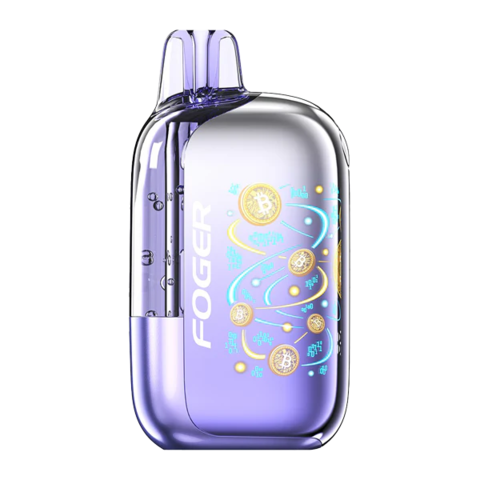
Some users also compare different devices before returning to their regular routine, including products like Vue 50K Kit or Foger Switch Pro Pods.
The important point is giving your body enough recovery time before focusing on vaping again.
When To Seek Professional Advice
You should contact your dentist if you notice severe pain, worsening swelling, fever, heavy bleeding, or a bad smell coming from the extraction area.
Professional advice is especially important if you had surgery, multiple teeth removed, or a complicated extraction.
Your dentist can give guidance based on your exact healing progress.
Conclusion
Knowing how long to wait to vape after tooth extraction can help you avoid unnecessary problems during recovery. In many cases, waiting at least 72 hours is recommended, while waiting longer may provide more time for healing.
The first few days after extraction are important because your mouth is creating protection and repairing the area. Giving yourself time before vaping can make the recovery process more comfortable.
FAQs
1. How long should I wait before vaping after tooth extraction?
Most people should wait at least 72 hours before vaping. Waiting longer may give your mouth more recovery time.
2. Can I vape 24 hours after tooth extraction?
It is better to avoid vaping after 24 hours because the blood clot may still be fragile.
3. Can vaping cause dry socket after tooth extraction?
Yes, vaping may increase dry socket risk because suction can disturb the healing clot.
4. Is nicotine free vaping safe after extraction?
Nicotine free vaping may still create suction that can affect the extraction area.
5. Can I vape after wisdom tooth removal?
Wisdom tooth removal often needs extra healing time. Many dentists suggest waiting several days or longer.
6. What happens if I vape too soon after extraction?
Vaping too soon may irritate the area and increase the chance of healing problems.
7. When can I return to normal vaping?
You can return when your extraction area is healing well and your dentist’s instructions allow it.
8. Should I ask my dentist before vaping again?
Yes, your dentist can provide advice based on your specific extraction and recovery.

Leave a comment
This site is protected by hCaptcha and the hCaptcha Privacy Policy and Terms of Service apply.