
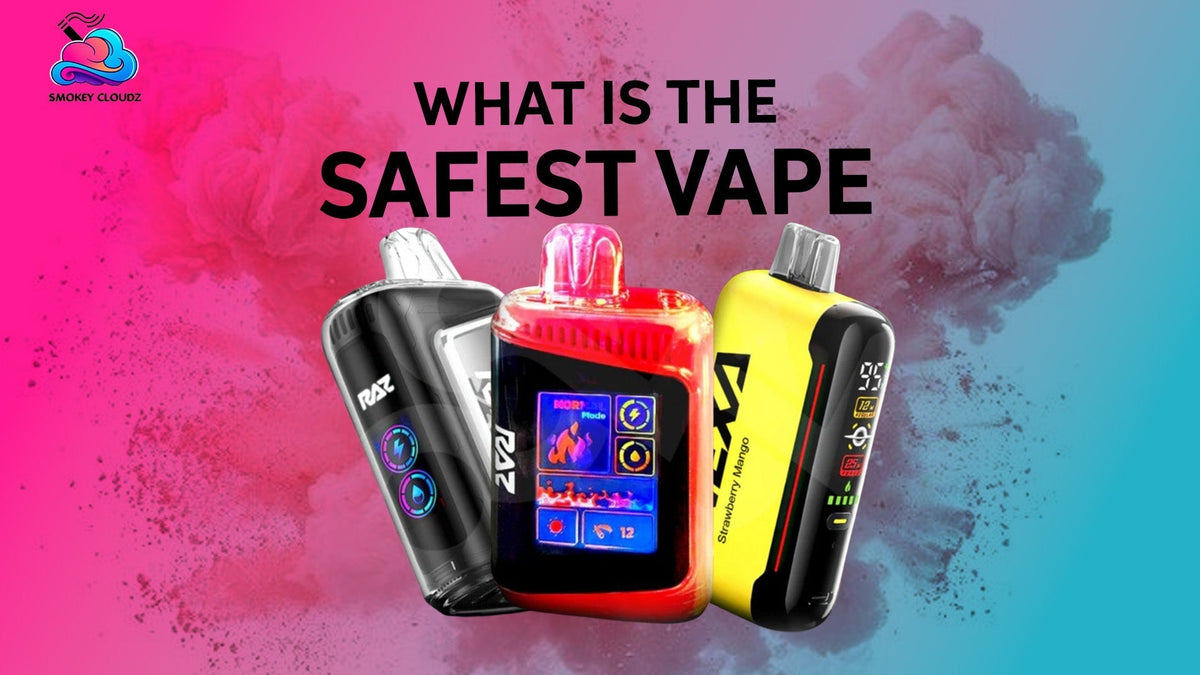
Many adults search what is the safest vape because they want to reduce avoidable risk while comparing products. The honest answer is that no vape can be called fully safe for your health. A better goal is to look for a well made device, clear product information, proper battery protection, and careful daily use. Adults comparing available options may review the Orion Bar Vape collection, but any device should still be used with care.
A familiar brand name, attractive package, or smooth flavor does not prove that a vape is harmless. Device condition, battery quality, liquid contents, storage, and usage habits all matter.
This guide explains the main checks adult users can make before buying or using a vape. It does not promise that any product removes health risk.
A Direct Answer About Vape Safety
So, what is the safest vape?
There is no completely safe vape.
A device may be better built than another product and may include battery protections, clear labels, and a leak resistant body. Those features may reduce certain device problems, but they do not make inhaling vape aerosol risk free.
The safer approach is to avoid unverified products and inspect every device carefully before use.
Device Features That Deserve Attention
A well made vape should include clear information about its battery and operation.
Useful device features may include:
-
Overcharge protection
-
Short circuit protection
-
Temperature control
-
A strong outer body
-
A secure liquid chamber
-
Clear charging instructions
-
Warning labels
These features mainly deal with electrical and physical safety.
They do not prove that the aerosol is healthy to inhale.
Battery Safety Comes First
Vape devices use batteries to heat liquid.
A damaged battery can become hot, swell, or stop working correctly. This makes battery care one of the most important parts of daily vape use.
Check the device before charging.
Do not use it if the body is cracked.
Keep the charging port dry.
Avoid leaving the device connected to power for much longer than needed.
Do not charge a vape under a pillow, inside a hot car, or near water.
A device that becomes unusually hot should be disconnected and left unused.
Labels and Product Details Matter
Read the package before opening the vape.
Check for:
-
The manufacturer name
-
Nicotine strength
-
Battery information
-
Usage warnings
-
Charging details
-
Storage advice
-
Product condition
Missing, unclear, or badly printed information should make a buyer more careful.
Very low prices can feel attractive, but an unverified product may have poor seals, weak batteries, or unclear liquid contents.
Electrical Certification Has Limits
Some vaping devices may be tested against electrical safety standards.
UL 8139 is linked with the electrical systems of electronic cigarettes and vaping devices. It covers areas such as battery safety, charging, overheating, and possible electrical failure. It does not certify that vape aerosol is safe for the lungs or that vaping improves health.
That difference matters.
A device can meet an electrical standard and still expose the user to nicotine and other aerosol contents.
Certification should be treated as one product check, not a complete health guarantee.
E Liquid Information Needs Care
A vape device and its liquid work together.
Adults should check whether the product gives clear information about nicotine strength and liquid contents.
Avoid products with unknown liquids, broken seals, or no clear label.
Very high nicotine may feel too strong for some adults.
Unusual taste, heavy leaking, or a strong burnt smell may also mean the product should no longer be used.
Switching flavors or buying a newer device is not a medical treatment. If vaping causes concerning symptoms, stopping use and speaking with a healthcare professional is the right step.
Heat Control and Burnt Coils
Too much heat can damage the coil and change the taste of the aerosol.
A burnt taste may appear when:
-
The liquid is nearly finished
-
The coil is dry
-
The power is too high
-
The device is damaged
-
Puffs are taken too quickly
Stop using the device if the burnt taste continues.
Do not keep inhaling from a vape that smells scorched or becomes very hot.
A Real Life Situation
Imagine an adult buyer named Alex.
He sees 2 disposable vapes online.
The first product is very cheap, but its package has little information. The second product includes clearer warnings, battery details, nicotine strength, and storage instructions.
Alex understands that neither product is harmless.
Still, the second package gives him more information to review before making a decision.
After receiving the device, he checks for cracks, leaking liquid, and damage around the charging port.
This short check does not remove every risk, but it helps him avoid using a visibly damaged product.
Buying Errors That Can Raise Risk
Some adults focus only on flavor or puff count.
That can lead to missed warning signs.
Trusting a brand name alone
A popular name does not guarantee that every product is authentic or undamaged.
Ignoring the package
Labels may contain important battery, nicotine, and storage details.
Buying damaged products
A cracked body or leaking liquid should not be ignored.
Using the wrong charger
An unsuitable charger may increase heat or damage the battery.
Continuing after a burnt taste
A repeated burnt taste may point to a dry coil or another device problem.
Keeping the vape in heat
Direct sunlight and hot cars may affect the liquid, seals, and battery.
Daily Cleaning Also Matters
Residue, dust, and liquid can collect around the mouthpiece and airflow openings.
Keeping these areas clean may improve device performance and make damage easier to notice.
The guide on how to clean a vape covers basic cleaning steps for adult users.
Never wash the battery section with water.
If liquid enters the charging port, stop using the device until it is fully checked.
Disposable and Refillable Vape Safety
Disposable and refillable devices have different strengths and weak points.
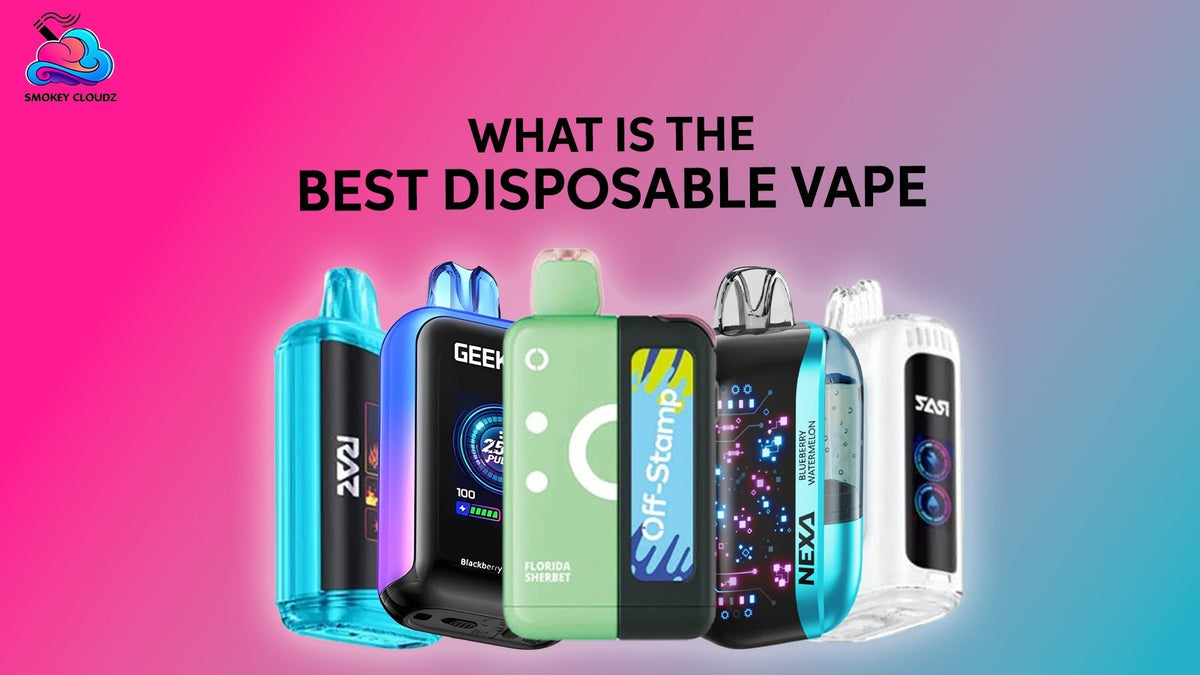
Disposable vapes come ready to use. They reduce setup errors because the user does not need to install a coil or fill a tank. Still, they may leak, overheat, or arrive damaged.
Refillable devices give more control over liquid, power, and coil settings. That control can be useful, but it also brings more responsibility. The wrong coil, liquid, or power level may cause poor performance or extra heat.
Neither type is fully safe.
The better option is the device that is authentic, undamaged, correctly used, and supported by clear product information.
A Safer Daily Routine
A short routine can lower some avoidable device problems.
-
Check the body for cracks or leaks.
-
Read the nicotine strength.
-
Keep the charging port dry.
-
Use the correct charger.
-
Stop if the device gets very hot.
-
Store it away from sunlight.
-
Keep it out of reach of children and pets.
-
Replace damaged products rather than forcing them to work.
These habits take only a few minutes.
They also make it easier to notice a problem before it becomes serious.
Flavor and Puff Count Are Not Safety Proof
Many buyers compare devices by flavor and puff count.
Those details may matter for shopping, but they do not show the full safety picture.
A high puff number does not mean lower health risk.
A smooth flavor does not mean the aerosol is harmless.
Adults browsing Geek Bar flavors should still check the product label, nicotine level, battery condition, and package warnings before use.
Taste should come after basic safety checks.
Local Rules Also Matter
Vape rules can differ by location.
Some areas limit certain products, flavors, or sales.
A product being available online does not always mean it can be legally bought or used in every place.
The article about whether vapes are banned in Louisiana gives more context about local restrictions and why buyers should check current rules before ordering.
This is part of responsible shopping, not just product safety.
Indoor Use Can Create Other Problems
Safety is not only about batteries and liquid.
Vape aerosol can settle on indoor surfaces over time. It may also affect people nearby.
Adults who vape indoors should think about ventilation, children, pets, and shared spaces.
The guide on whether vape smoke stains walls covers residue and indoor surface concerns in more detail.
A safer device still needs responsible use around other people.
Signs You Should Stop Using the Device
Stop using a vape when you notice:
-
Strong overheating
-
Battery swelling
-
Cracks in the body
-
Liquid near the charging port
-
Repeated leaking
-
A harsh burnt smell
-
Strange sounds during charging
-
Sudden loss of power
Do not keep testing a damaged device by taking more puffs.
Move it away from heat and flammable items.
Follow local battery disposal rules if the product needs to be thrown away.
When Medical Advice Is Needed
Vaping can affect people in different ways.
Stop using the product and seek medical advice if you have serious breathing trouble, chest pain, fainting, swelling, or symptoms that keep getting worse.
It is normal to feel worried when something feels wrong.
Do not rely on a new flavor, lower power setting, or different device to solve a health problem.
A healthcare professional can give advice based on your symptoms and medical history.
The Wider Safety Picture
The question what is the safest vape connects with a much wider topic.
Battery care, charging, cleaning, nicotine strength, liquid contents, storage, local laws, and indoor use all affect the final risk.
The phrase complete vape safety guide for adults can link this article to the main pillar guide. That page can bring all these topics together in one place.
Reading the wider guide can help adults review more than product appearance or flavor.
Final Thoughts
No vape is fully safe.
A better built device may reduce some battery, charging, leaking, and overheating problems. Clear labels, authentic products, secure packaging, and proper storage also matter.
Still, these features cannot make vape aerosol harmless.
Before using a device, check its condition.
Read the package.
Keep it away from heat.
Use the correct charger.
Stop if it leaks, smells burnt, or becomes unusually hot.
The safest decision for health is not to vape. For adults who still use these products, careful handling and honest product information can reduce some avoidable risks.
For more detail about electrical testing, UL explains how its vape battery and electrical certification checks areas such as charging, overheating, and battery failure, while also making clear that this type of testing is about device safety rather than proving vaping is healthy.
FAQs
1. What is the safest vape?
No vape is fully safe. A well made, authentic device with clear labels and battery protection may reduce some device risks.
2. Are disposable vapes safer than refillable devices?
Not always. Disposables reduce setup errors, while refillable devices offer more control. Both types still carry risks.
3. Can safety certification make a vape harmless?
No. Certification may cover battery and electrical safety, but it does not prove that the aerosol is safe to inhale.
4. Which signs show a vape may be unsafe?
Cracks, leaking liquid, overheating, battery swelling, burnt smells, and charging problems are warning signs.
5. Is low nicotine vaping safe?
Lower nicotine may reduce nicotine intake, but it does not remove other risks linked with aerosol, heating, and device use.

Leave a comment
This site is protected by hCaptcha and the hCaptcha Privacy Policy and Terms of Service apply.