
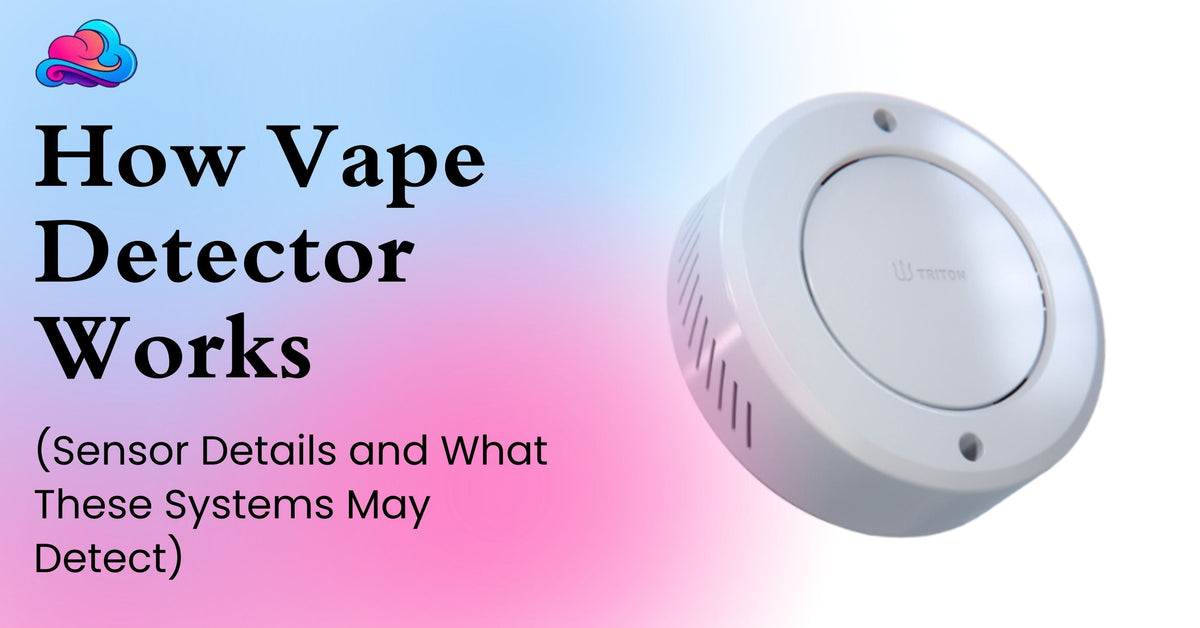
Vape detectors for schools are made to notice signs of vaping in areas where staff may not always be present. This topic is not about helping anyone hide vaping. It is about understanding school vape detectors, safety, and why rules matter. Adult buyers may still compare legal adult products on pages like Foger vape, but schools are a different setting with strict rules for students and campus safety.
Many parents, staff members, and adult readers feel worried when they hear vaping is happening in school bathrooms or locker areas. It can feel hard to control because vapor may disappear faster than cigarette smoke. That is why many schools use vape detection systems to support their safety rules.
What Are Vape Detectors For Schools?
Vape detectors for schools are small sensor devices that can notice certain signs in the air. They are often placed in areas where cameras are not allowed, such as bathrooms and locker rooms.
The short answer is this: school vape detectors sense air changes linked with vaping. They may sense particles, chemicals, humidity changes, sound changes, and other air quality signals.
They do not work exactly like a normal smoke alarm. A smoke alarm is mainly made to warn people about fire smoke. A vape detector is made to notice smaller air changes that may come from vapor.
Why Do Schools Use Vape Detection Systems?
Schools use vape detection systems because vaping can happen quickly and quietly. In some cases, staff may not see it happen. A detector can send an alert when it notices air patterns that match vaping.
Schools may use these systems to:
Support student safety
Reduce vaping in bathrooms
Protect students from peer pressure
Support school rules
Give staff faster alerts
Track problem areas inside the building
For adult readers, it is also useful to understand the difference between adult product information and school rules. A guide like tobacco flavored vape adult buyer notes is written for adult buyers, while school vape detector topics are about prevention, safety, and rule control.
How Do School Vape Detectors Work?
Vape detectors work by checking the air around them. When someone vapes, the air may change for a short time. The detector reads those changes and compares them with normal air conditions.
Here is the basic process.
1. The Sensor Watches The Air
The device keeps checking the air in the room. It may watch for tiny particles, chemicals, and changes in air quality.
2. Vapor Changes The Air
When vapor enters the area, it can add small particles and compounds to the air. These may not look like thick smoke, but sensors may still notice them.
3. The System Checks The Pattern
The detector looks at the pattern of air change. If the pattern matches vaping, it may create an alert.
4. Staff Get A Notice
Many systems send an alert to school staff by app, email, or dashboard. The alert may show the location of the detector and time of the event.
5. Staff Respond Based On School Policy
The detector does not punish anyone by itself. School staff handle the next step based on school rules.
What Do School Vape Detectors Sense?
School vape detectors may sense different things, depending on the model.
Particles In The Air
Vape aerosol can leave tiny particles in the air. Some sensors are made to notice these particles. They may be very small, so the detector needs to be more sensitive than a basic smoke alarm.
Chemical Signals
Some vape sensor technology may notice chemical changes in the air. These changes can come from ingredients in vape aerosol. The system may not need to identify a full product brand. It only needs to notice a pattern that looks like vaping.
Humidity Changes
Vapor may affect moisture in the air for a short time. Some systems may track sudden humidity changes along with other signals.
Air Quality Changes
Some detectors are built to watch general air quality. If the air changes in a way that matches vaping, the system may flag it.
Sound Or Noise Patterns
Some advanced school systems may also notice loud noise, tampering, or unusual sound levels. This can matter in bathrooms where staff are not always present.
Adult product pages such as Foger Switch Pro 30K may talk about device specs and flavor use for adults, but school detectors focus on air changes, not adult shopping details.
Can Vape Detectors Detect Nicotine Vapor?
Many vape detectors are not only looking for nicotine itself. They often look for air changes linked with vapor. That can include particles and chemical patterns.
So the better answer is this: some vape detectors may sense vapor even if the device is not using nicotine, because the sensor may react to aerosol and air changes.
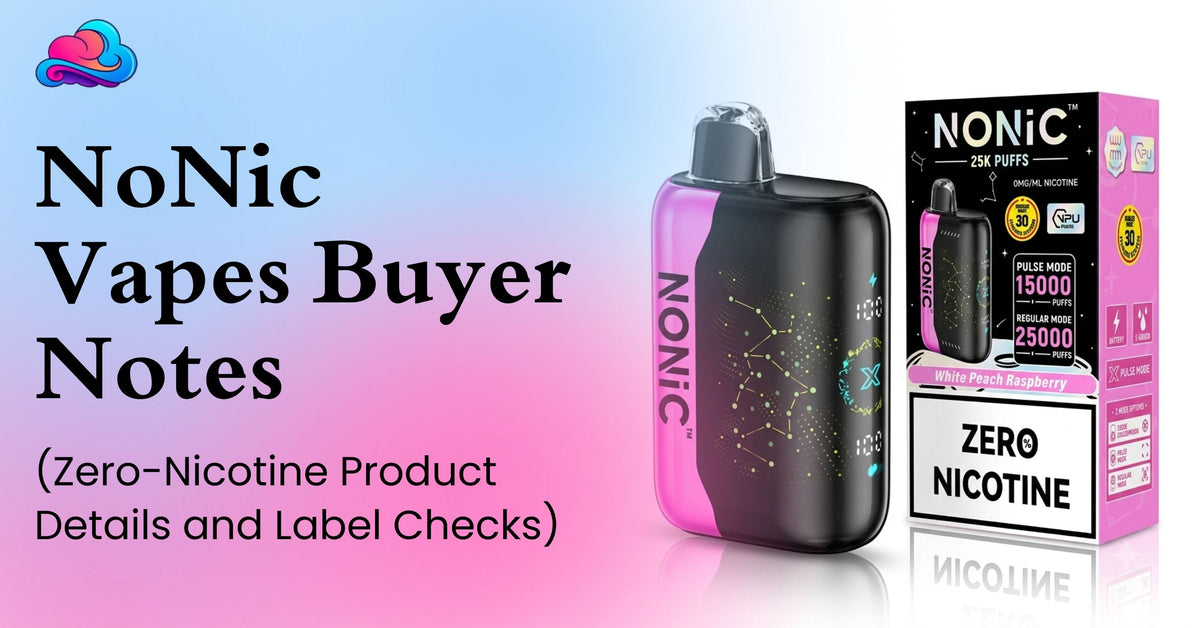
This is why topics like no nic vapes are different from school detection topics. A 0 nicotine product may still create vapor. A detector may still react if the air pattern matches vaping.
Where Are Vape Detectors Usually Placed?
Schools usually place vape detectors in areas where vaping is more likely and where cameras are not suitable.
Common areas include:
Bathrooms
Locker rooms
Changing areas
Hallways near bathrooms
Certain shared indoor areas
Schools should place detectors based on privacy laws, school policy, and local rules. They should also tell students and parents about campus safety rules in a clear way.
Do Vape Detectors Work Like Smoke Alarms?
No, not exactly.
Smoke alarms are made mainly to detect smoke from fire. Vape detectors are made to notice smaller and different air changes. Vape vapor may fade faster than smoke, so the sensor has to read short changes in the air.
A smoke alarm may not always react to vaping. A vape detector is built for that kind of event. Still, no system is perfect. False alerts can happen if air quality changes for other reasons.
Real Life Example
A school has a bathroom where staff often hear reports of vaping. There are no cameras inside because privacy matters. The school installs vape detectors in that area.
During lunch time, the detector notices a fast change in air particles and humidity. It sends an alert to staff. Staff check the area based on school policy.
This does not mean the detector proved everything alone. It gives staff a signal that something may have happened. The school then handles it with care, respect, and proper rules.
This matters because schools should not rely only on punishment. Students may need guidance, parent support, and clear education about rules and risks.
Common Mistakes People Make About School Vape Detectors
Thinking They Are Cameras
Vape detectors are not cameras. They are air sensors. They do not record video.
Thinking They Only Detect Nicotine
Many systems sense vapor related air changes, not just nicotine. A no nicotine device can still create aerosol.
Thinking They Work Like Fire Alarms
They may look like safety devices on the wall or ceiling, but they are not the same as fire smoke alarms.
Thinking Every Alert Is Proof
An alert means the air changed in a way that may match vaping. Staff still need to respond fairly.
Thinking Detectors Replace Education
Detectors can support rules, but they cannot replace honest talks, parent support, and clear school policy.
Expert Tips And Best Practices For Schools
Schools should use vape detectors as part of a larger plan. The system should not be the only answer.
Good practice includes:
Clear student policy
Parent communication
Staff training
Fair response process
Regular device testing
Privacy respect
Support for students who need help
Schools should also avoid fear based messages. Many students may already feel pressure from friends or social groups. A calm, clear policy works better than panic.
For adult buyers reading product content, pages like UT Bar vape guide for adult buyers are made for legal adult product understanding. School detector content is about youth prevention and indoor rule safety.
How This Connects To Bigger Vape Education
Vape detectors for schools are 1 part of a bigger conversation. Adult product pages, school rules, legal age rules, flavor details, and device education all connect in different ways.
For example, an adult buyer may compare device systems like Foger Switch Pro Kit, while a school may focus on indoor air alerts and rule enforcement. These are not the same purpose.
This topic supports the bigger guide on no nic vapes because it shows an important point: nicotine level and vapor detection are not always the same thing. A device can be 0 nicotine and still create vapor that may be sensed by a detector.
When To Consider Expert Help
Schools may need expert support if detectors send too many false alerts, alerts are not reaching staff, placement seems poor, or the system does not match privacy rules.
Adult buyers may need product support if they are unsure about device type, nicotine level, or product details. For example, collection pages like Nexa vape and device pages like Nexa Pro 30,000 Puff Disposable Vape Quad Coil can show specs, but buyers should still read every detail before purchase.
For wider background, vape detectors are related to the broader idea of sensing gases and air changes. A general reference on a gas detector explains how detection devices may sense the presence of gases in an area.
Conclusion
Vape detectors for schools work by sensing air changes that may happen when someone vapes. They may track particles, chemical signals, humidity, air quality changes, and sometimes sound or tampering.
They are not cameras. They are not exactly smoke alarms. They are tools that support school safety rules.
The main goal should be student safety, clear policy, and fair response. Detectors can alert staff, but schools still need education, parent communication, and care in how they handle each case.
FAQs
What do school vape detectors sense?
They may sense particles, chemicals, humidity changes, and air quality patterns linked with vaping.
Can vape detectors detect nicotine vapor?
Some systems may react to vapor patterns, not only nicotine. Even 0 nicotine vapor may trigger certain sensors.
Where are vape detectors usually placed?
They are often placed in bathrooms, locker rooms, and hallways near problem areas, based on school rules and privacy laws.
Do vape detectors work like smoke alarms?
No. Smoke alarms mainly detect fire smoke. Vape detectors are built to notice smaller air changes linked with vapor.
Can a vape detector prove someone was vaping?
An alert is a signal, not full proof by itself. Staff should follow school policy and respond fairly.

Leave a comment
This site is protected by hCaptcha and the hCaptcha Privacy Policy and Terms of Service apply.