
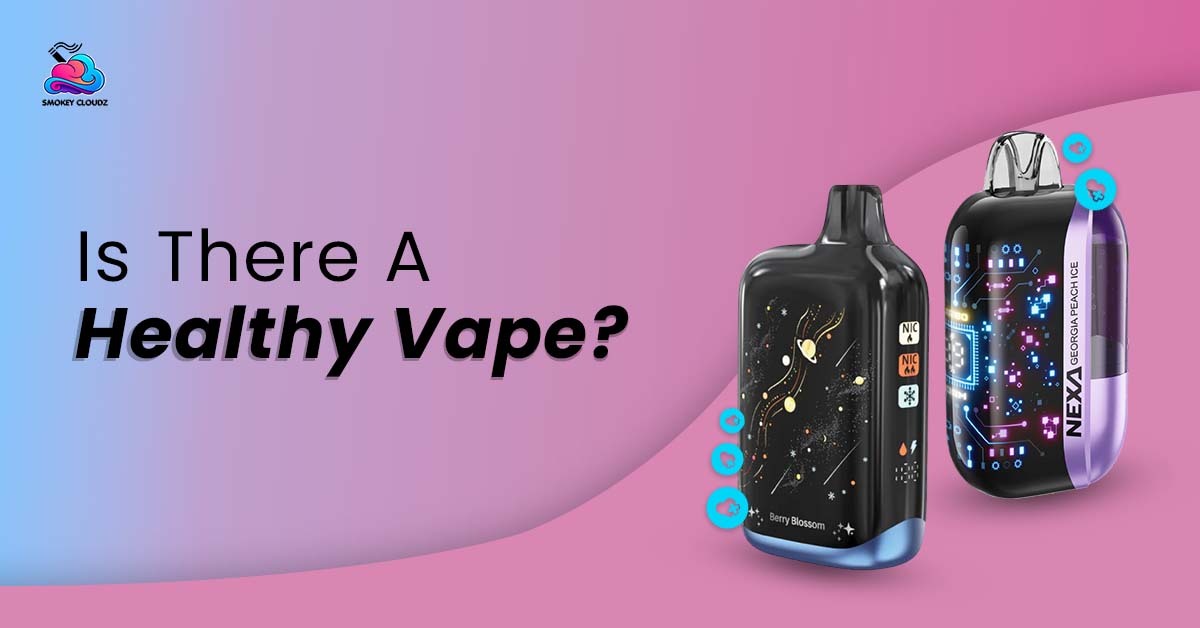
Many adults ask, is there a healthy vape, because product labels can make certain devices sound clean, natural, or safer. Someone viewing the RAZ vape collection may see fruit flavors, ice blends, compact devices, and high puff counts. None of these features prove that a vape is harmless.
There is no vape that has no effect on health. Nicotine vapes can support addiction and may affect heart rate and blood pressure. Nicotine free vapes still create an aerosol that may contain tiny particles, flavor chemicals, metals, and substances formed during heating.
A vape may expose an adult cigarette smoker to fewer harmful chemicals than cigarettes if the smoker switches completely. It is still not a healthy product, and using cigarettes and vapes together may keep many of the same health concerns.
The lowest risk option is to avoid smoking and vaping. Adults who already smoke can speak with a doctor or pharmacist about approved ways to stop.
This article is for adults aged 21 and over. People who do not already smoke or vape should not start.
Is There a Healthy Vape?
No. There is no medically recognised healthy vape.
The FDA states that there are no safe tobacco products, including electronic nicotine delivery systems. Even products authorised for sale are not called safe or FDA approved.
A vape works by heating a liquid and creating aerosol. The user breathes this aerosol into the lungs. It is not only harmless water mist.
The aerosol may contain:
-
Nicotine
-
Ultrafine particles
-
Flavoring chemicals
-
Volatile organic compounds
-
Metals from device parts
-
Substances formed during heating
-
Other ingredients that differ by product
The amount can change based on the liquid, coil, battery power, device condition, and puff pattern.
A product may have fewer harmful chemicals than cigarette smoke and still carry health concerns. These 2 facts can both be true.
Is Vaping Less Harmful Than Smoking?
For an adult who currently smokes cigarettes, switching completely to a regulated vape may reduce exposure to some harmful chemicals found in burning tobacco.
Cigarettes burn tobacco and create smoke containing thousands of chemicals. Vape devices heat liquid without burning tobacco. This usually means the aerosol contains fewer harmful chemicals than cigarette smoke, but it does not make the aerosol safe.
The possible reduction matters only when the smoker stops cigarettes completely. Smoking some cigarettes while also vaping is called dual use.
Dual use can keep the person exposed to cigarette smoke. It may also increase total nicotine use because the person can vape in situations where smoking is not possible.
Readers comparing the 2 products can review the cigarette and vape quantity comparison. Puff count cannot measure exact health risk, but it can show why device use and cigarette use cannot be compared through 1 number alone.
A non smoker does not gain a health benefit by starting to vape.
Can Nicotine Free Vapes Be Healthy?
No. Removing nicotine does not remove every health concern.
A zero nicotine product may reduce the risk of nicotine dependence when the label is accurate. It can still contain propylene glycol, vegetable glycerin, flavor ingredients, cooling chemicals, sweeteners, and substances released during heating.
Some products labelled nicotine free have also contained trace nicotine during laboratory testing. Package wording should not be treated as a full guarantee.
Nicotine free aerosol may still cause:
-
Throat irritation
-
Coughing
-
Dry mouth
-
Chest discomfort
-
Wheezing
-
Headache
-
Eye irritation
-
Shortness of breath
A person may react to a flavor ingredient even when no nicotine is present.
The phrase “nicotine free” describes the intended nicotine content. It does not mean chemical free, lung friendly, or safe for people who never smoked.
Can Natural Vape Ingredients Protect Your Health?
No. The word natural does not prove that an ingredient is safe to inhale.
A substance may be safe to eat and still irritate or damage the lungs when heated and inhaled. The digestive system and respiratory system handle chemicals in different ways.
Plant extracts, vitamins, essential oils, and herbal ingredients may sound gentle. These claims need strong inhalation safety evidence before they can support a health promise.
Never place cooking oil, essential oil, juice, vitamins, water, or a home made mixture inside a vape. A device should only contain the liquid made for that product.
Be cautious when packaging uses phrases such as:
-
Wellness vape
-
Vitamin air
-
Clean vapor
-
Pure ingredients
-
Natural energy
-
Healthy clouds
-
Detox vape
-
Lung safe
These are marketing phrases. They do not prove medical safety.
Can Flavors Affect Health Risk?
Yes. Flavor ingredients can affect the chemicals in the liquid and aerosol.
A fruit, candy, ice, cream, or drink flavor may contain several ingredients rather than 1 flavor chemical. Some may irritate the airways, while others may change during heating.
Sweet liquids may also leave residue on the coil. As the residue builds up, the coil may heat unevenly or develop a burnt taste.
Adults looking at the Foger vape range should check each product separately. A full collection can contain many flavors, nicotine strengths, and device designs.
The flavor name cannot tell you:
-
Every ingredient in the liquid
-
The amount of each chemical
-
The metals released from the coil
-
The compounds created by heat
-
The user’s personal reaction
-
The long term effect on the lungs
Readers wanting more ingredient context can review chemicals that may be present in vapes.
Can Lower Nicotine Make a Vape Healthy?
No. Lower nicotine may reduce the amount of nicotine delivered during each puff, but it does not remove aerosol exposure.
A person may also take more or longer puffs when using a lower strength. This can make the total daily nicotine amount difficult to estimate.
Nicotine can support dependence and may cause:
-
Cravings
-
Withdrawal
-
Faster heart rate
-
Increased blood pressure
-
Restlessness
-
Nausea
-
Dizziness
-
Sleep problems
Nicotine is a major concern, but it is not the only concern. A low nicotine vape can still expose the lungs to heated liquid ingredients and device emissions.
The best nicotine strength is not a medical safety label. Adults trying to reduce or stop nicotine should speak with a qualified health professional.
Can Vape Design Change the Risk?
Yes. Device design can affect temperature, airflow, aerosol amount, and coil performance.
A high power device may heat more liquid during each puff. A compact pod may use lower power but can still deliver concentrated nicotine. A disposable may continue producing aerosol when its liquid is nearly gone, which can create a dry or burnt taste.
Risk may rise when:
-
The coil is burnt.
-
The wick is dry.
-
The power is too high.
-
The liquid is unsuitable.
-
The device is leaking.
-
The battery is damaged.
-
The user takes repeated long puffs.
-
The product has unclear ingredients.
Adults viewing Geek Bar vape devices should not treat screens, puff modes, airflow controls, or battery indicators as health features. These parts may affect device use, but they do not make inhaled aerosol harmless.
Can Regular Cleaning Make Vaping Healthy?
No. Cleaning can support device function, but it cannot remove the basic health concerns of vaping.
A clean tank may reduce old liquid buildup, blocked airflow, leaks, and poor flavor. It may also help the user notice a damaged seal or worn coil earlier.
Cleaning cannot remove:
-
Nicotine dependence
-
Aerosol particles
-
Flavor chemical exposure
-
Metals released during heating
-
Personal lung sensitivity
-
Long term uncertainty
The guide on cleaning a vape tank covers safe part removal, drying, and keeping water away from batteries.
Do not rinse the full device under a tap. The battery, charging port, screen, and electrical contacts must stay dry.
A Real Life Buying Situation
Imagine an adult smoker sees a disposable advertised as a healthy vape.
The package says it has natural flavor, smooth aerosol, and no tobacco leaf. The buyer thinks this means the product will not affect the lungs.
After several days, the person develops a dry throat and cough. They continue smoking cigarettes during work breaks and use the vape indoors at night.
The product did not remove cigarette exposure because the smoker never stopped smoking. It also added regular aerosol inhalation.
The main problem was not only the device. The phrase healthy vape created a false expectation.
A more accurate plan would involve:
-
Speaking with a medical professional about quitting cigarettes.
-
Setting a date to stop smoking.
-
Using approved quit support when suitable.
-
Avoiding long term dual use.
-
Planning an end point for nicotine use.
-
Seeking care for ongoing breathing symptoms.
The adult was not foolish. Product marketing can sound very convincing when someone is worried about smoking and wants a less harmful path.
Marketing Claims That Can Cause Confusion
Calling Aerosol Water Vapor
Vape aerosol is not only water vapor. It may contain nicotine, particles, metals, flavor chemicals, and other substances.
Calling Nicotine Free Harmless
The absence of nicotine does not remove every chemical or respiratory concern.
Calling a Product Medical Grade
A medical sounding phrase does not prove that a vape has been approved as a treatment or tested as a medical device.
Treating Fruit Flavor as Natural
A fruit name may describe taste, not the source or safety of every ingredient.
Treating FDA Authorisation as Approval
FDA marketing authorisation does not mean a tobacco product is safe or FDA approved.
Claiming a Vape Cleans the Lungs
No vape can detox or clean the lungs. Breathing another heated aerosol is not a lung cleaning process.
Calling Large Clouds Cleaner
Cloud size does not show chemical safety. A larger cloud may mean more liquid was heated and inhaled.
Signs That a Vape Is Affecting You
Some reactions appear soon after vaping, while others may develop over time.
Watch for:
-
Frequent coughing
-
Wheezing
-
Chest tightness
-
Shortness of breath
-
Dry or painful throat
-
Headaches
-
Nausea
-
Dizziness
-
Racing heartbeat
-
Reduced exercise ability
Stop using the product and seek medical advice when symptoms continue or become worse.
Urgent care is needed for severe breathing trouble, strong chest pain, blue or grey lips, fainting, confusion, or rapidly worsening symptoms.
Tell the medical professional which product you used, when you used it, and whether it contained nicotine, THC, CBD, or another substance.
Can Medical Marijuana Vapes Be Healthy?
No inhaled cannabis product should be called healthy simply because it is sold for medical use.
Medical cannabis may be recommended under certain laws and health conditions. The treatment decision, dose, product form, and possible benefits should be discussed with a qualified clinician.
A medical purpose does not make every delivery method equal. Inhaling heated oil or aerosol can carry different concerns from another form of treatment.
Readers comparing cannabis devices can review the article about strong medical marijuana vape products. Higher strength does not mean better health or better treatment.
Never use THC before driving or operating machinery. Avoid informal cartridges, altered liquids, and products from unclear sources.
Can Secondhand Aerosol Affect Other People?
Yes. Vape aerosol can move through indoor air and reach people nearby.
The amount depends on room size, ventilation, number of puffs, device power, and the liquid being heated. A small room or car can hold aerosol longer than an open outdoor space.
Other people may breathe in:
-
Nicotine
-
Tiny particles
-
Flavor chemicals
-
Volatile compounds
-
Metals from device parts
-
Other substances released during heating
Children, pregnant people, and adults with asthma or lung disease may be more sensitive. Even a person without a medical condition may dislike the smell or feel throat and eye irritation.
The article about how long vape aerosol stays in the air gives more detail about ventilation, indoor spaces, and aerosol movement.
Avoid vaping in shared rooms, cars, bedrooms, hospitals, and other places used by people who did not agree to the exposure.
Can Opening a Window Remove Every Risk?
No. An open window may move some aerosol outside, but it does not remove every particle at once.
Airflow can push aerosol toward another passenger, child, pet, or person standing near the window. Some material may also settle on seats, glass, furniture, clothing, and other surfaces.
Vaping beside a window should not be treated as a health protection method. The safer action is to wait until you are away from other people and in a place that permits vaping.
A window also cannot protect the person using the device from the aerosol they inhale directly.
Can Any Vape Be Called Lower Risk?
A product may have features that reduce certain avoidable problems. It still should not be called healthy.
For example, a sealed product from a known maker may provide clearer information than an opened device with no label. A device with working battery controls may be less likely to overheat than a damaged battery. A fresh coil may avoid the harsh aerosol linked with a burnt wick.
These points relate to product condition and use. They do not remove the health effects of inhaling aerosol.
A lower risk check may include:
-
Clear product packaging
-
A named manufacturer
-
Nicotine strength on the label
-
An intact package seal
-
No battery swelling
-
No liquid leaking
-
No burnt or chemical taste
-
A seller that follows age rules
-
Correct device and liquid matching
-
Current care instructions
A product can pass every check and still affect health.
Buying Checks That Reduce Avoidable Problems
Adults who already vape should check the full product rather than relying on bright packaging or a health style message.
Read the Nicotine Level
Nicotine strength may appear as a percentage or as milligrams per millilitre.
A high level can cause nausea, dizziness, headache, a racing heart, or strong dependence. A low level is not harmless, and taking more puffs can increase total daily use.
Check the Full Product Type
Confirm whether the item is a disposable, refillable pod, prefilled pod, cartridge, or tank device.
Each type has different care, charging, and replacement needs.
Review the Ingredients
A complete ingredient list may not reveal every substance formed during heating, but missing ingredient information is still a concern.
Inspect the Package
Avoid products with broken seals, leaks, faded labels, or signs that the box has been opened.
Check Local Rules
Age limits, flavor restrictions, delivery rules, and public use laws can differ by location.
Avoid Health Promises
Claims such as healthy, detox, vitamin, clean lungs, safe cloud, or medical strength need strong proof. Most are marketing terms rather than medical findings.
Can Device Care Reduce Health Effects?
Device care may reduce burnt hits, leaks, and battery trouble. It cannot turn vaping into a healthy habit.
Good care includes:
-
Replacing worn coils
-
Keeping enough liquid in the tank
-
Allowing a new wick to soak
-
Using the stated power range
-
Keeping charging ports dry
-
Replacing cracked pods
-
Storing the device away from heat
-
Stopping after a burnt taste
-
Using a suitable charging cable
-
Keeping liquid away from children and pets
A dirty or damaged device may produce an unpleasant taste or work in an uneven way. Continuing to use it can add avoidable exposure.
Do not open sealed disposable products or repair battery wiring at home.
Can Long Puffs Make a Vape Healthier?
No. Long puffs normally heat and use more liquid.
Taking a longer inhale may create a larger aerosol cloud and expose the user to more material during that puff. Repeated puffs may also dry the wick before it has time to absorb more liquid.
Signs that the device needs a pause include:
-
The mouthpiece becoming hot
-
Flavor becoming weak
-
A dry feeling in the throat
-
The tank becoming warm
-
A bitter taste
-
Gurgling or leaking
-
A burnt smell
Stop when the taste changes. Taking more puffs is not a safe way to test a damaged coil.
Can Switching Flavors Reduce the Risk?
Changing from a sweet flavor to fruit, tobacco, mint, or unflavored liquid does not make vaping harmless.
Different flavors use different chemical mixtures. A product with less sweetness may create less coil residue in some devices, but this does not prove that its aerosol is safe for the lungs.
Flavor preference may also encourage more frequent use. A person who enjoys a sweet taste may take puffs more often without noticing the amount used during the day.
Track your use rather than judging only by flavor. Record:
-
Daily puff sessions
-
Liquid or pod use
-
Nicotine strength
-
Morning cravings
-
Night use
-
Use during stress
-
Any coughing or chest symptoms
This record may show that the device is being used more often than expected.
Can Dual Use Protect a Smoker?
No. Using cigarettes and vapes together is not a healthy balance.
A person may smoke fewer cigarettes but continue receiving smoke exposure. They may also vape between cigarettes, which can keep nicotine dependence active throughout the day.
Dual use may happen because the person:
-
Smokes during breaks
-
Vapes indoors
-
Smokes with friends
-
Vapes while driving
-
Keeps cigarettes for stressful moments
-
Has no final quit date
Reducing cigarettes can be a step, but the health goal should not stop there. A full plan should move toward ending cigarette smoking rather than keeping both products in the daily routine.
A Real Situation With Dual Use
Imagine an adult has smoked for 12 years. They buy a vape described as a cleaner option and begin using it at home.
They still smoke 5 cigarettes at work each day. At night, they vape for several hours because it is allowed inside the house.
The person feels proud because cigarette use has dropped. That progress matters, but their total nicotine routine now lasts across most of the day.
After several weeks, they notice stronger morning cravings and a dry throat.
The vape did not become a full replacement. It became an extra product.
A stronger next step would involve:
-
Setting a date to stop cigarettes
-
Speaking with a doctor or pharmacist
-
Preparing for nicotine withdrawal
-
Tracking vape use
-
Avoiding smoking triggers
-
Setting a later date to stop vaping
-
Getting support after any slip
The goal is not to shame the person. Nicotine habits can be hard to change, and a clear plan matters more than blame.
Claims That Often Mislead Buyers
Organic Ingredients
Organic describes the way an ingredient may be produced. It does not prove inhalation safety.
Food Grade Flavoring
An ingredient may be suitable for food while still causing concern when heated and inhaled.
No Tobacco Leaf
A vape may contain no tobacco leaf but still contain nicotine and other chemicals.
Zero Tar
Vapes do not burn tobacco in the same way as cigarettes, but zero tar does not mean zero risk.
Vitamin Vape
Vitamins are normally taken through food or approved medicine. A vitamin name on an inhaled product is not proof of lung benefit.
Smooth Aerosol
A smooth feeling may reduce throat harshness, but it does not show which chemicals are reaching the lungs.
Premium Quality
Premium is a sales term. It is not a medical safety rating.
Can Health Symptoms Be Ignored When the Vape Looks Normal?
No. A device can look normal while the user still has a bad reaction.
Stop vaping and speak with a medical professional if you notice:
-
A cough that keeps returning
-
Wheezing
-
Chest tightness
-
Shortness of breath
-
A racing or uneven heartbeat
-
Frequent dizziness
-
Strong nausea
-
Reduced ability to exercise
-
Mouth or throat pain
-
Symptoms that become worse after vaping
Call emergency services for serious breathing trouble, fainting, blue or grey lips, confusion, or strong chest pain.
Do not keep using the device to test whether the symptom happens again. Write down the product name, nicotine level, flavor, time of use, and number of puffs when possible.
Can Quitting Reduce Health Risk?
Stopping cigarettes and vaping removes future exposure from those products.
The body may need time to recover, and the result depends on past use and current health. Still, stopping tobacco use is an important step for reducing future risk.
Nicotine withdrawal may cause:
-
Strong cravings
-
Irritation
-
Anxiety
-
Restlessness
-
Trouble focusing
-
Sleep changes
-
Increased hunger
-
Low mood
These symptoms can make a person return to cigarettes or heavy vape use. Planning before the quit date can make the process easier to manage.
A quit plan may include medicine, counselling, family support, trigger control, and follow up care. Mayo Clinic notes that counselling and medicines can support people dealing with nicotine dependence and withdrawal.
A Practical Path Away From Smoking and Vaping
Set the Main Goal
Decide whether the first target is stopping cigarettes, vaping, or both. Heavy cigarette smokers may need medical guidance before changing nicotine use.
Pick a Date
Use a clear date rather than waiting for the perfect day.
Remove Supplies
Remove cigarettes, spare devices, empty pods, lighters, and ashtrays from the home and car.
List the Main Triggers
Write down times linked with smoking or vaping, such as coffee, driving, work breaks, stress, and alcohol.
Prepare Another Action
Use water, gum, short walks, breathing exercises, or contact with a support person during cravings.
Discuss Medicines
A doctor or pharmacist can discuss nicotine replacement or prescription treatment based on your health.
Track Progress
Record smoke free days, money not spent, cravings passed, and times when a trigger was managed without vaping.
Restart After a Slip
A cigarette or vape session does not erase earlier progress. Review the trigger and return to the plan.
Times to Speak With a Health Professional
Medical guidance is worth considering when:
-
You smoke or vape soon after waking
-
You have tried to stop several times
-
Withdrawal becomes very strong
-
You are pregnant
-
You have heart or lung disease
-
You use mental health medicine
-
You have repeated chest symptoms
-
You use cigarettes and vapes together
-
You are unsure about nicotine strength
-
You need a structured quit plan
A product seller can discuss device specifications and compatibility. Medical symptoms and addiction treatment need a qualified health professional.
This Topic Inside the Complete Vape Health Guide
The question is there a healthy vape connects with cigarette exposure, nicotine dependence, flavor chemicals, device condition, secondhand aerosol, and quitting support.
A complete vape health guide should cover:
-
Cigarettes compared with vapes
-
Nicotine strength
-
Aerosol ingredients
-
Secondhand exposure
-
Burnt coils
-
Battery and charging risks
-
Nicotine free products
-
Dual use
-
Warning symptoms
-
Smoking cessation support
The cigarette and vape quantity comparison was linked in Part 1 and should not be linked again.
Puff count, flavor, price, and device size cannot answer whether a product is healthy. The answer remains no.
Medical Guidance From Mayo Clinic
For wider patient information about nicotine dependence, tobacco treatment, and stopping smoking, the Mayo Clinic provides medical education and clinical support.
Mayo Clinic states that electronic cigarettes are not approved as quit smoking products and are not as safe as nicotine replacement products. It also explains that counselling and medicines may improve a person’s ability to stop tobacco use.
This does not mean every person needs the same treatment. Health history, cigarette use, nicotine dependence, pregnancy, medicines, and past quit attempts can change the right plan.
Final Thoughts
So, is there a healthy vape that does not affect your health?
No. There is no vape that can honestly promise zero health effects.
A nicotine free vape still creates aerosol. A natural flavor is not automatically safe to inhale. A clean device can still expose the lungs to heated liquid, particles, flavor chemicals, and metals.
For an adult smoker, completely moving away from cigarettes may reduce exposure to many chemicals produced by burning tobacco. It is still better to work toward stopping both smoking and vaping.
Do not begin vaping for wellness, flavor, stress control, social use, or curiosity. People who already smoke should speak with a health professional about a full quit plan.
FAQs
Is there a healthy vape with no chemicals?
No. Every vape aerosol contains substances from the liquid, device, or heating process.
Is a nicotine free vape healthy?
No. It may remove intended nicotine, but flavor chemicals, particles, and other substances may still affect the lungs.
Is vaping safer than cigarettes?
Vaping may expose a smoker to fewer harmful chemicals after a complete switch, but it is not safe or healthy.
Can natural vape flavors protect the lungs?
No. Natural or food grade ingredients are not automatically safe when heated and inhaled.
Is quitting better than switching flavors?
Yes. Stopping cigarettes and vaping removes future exposure from both products.

Leave a comment
This site is protected by hCaptcha and the hCaptcha Privacy Policy and Terms of Service apply.