
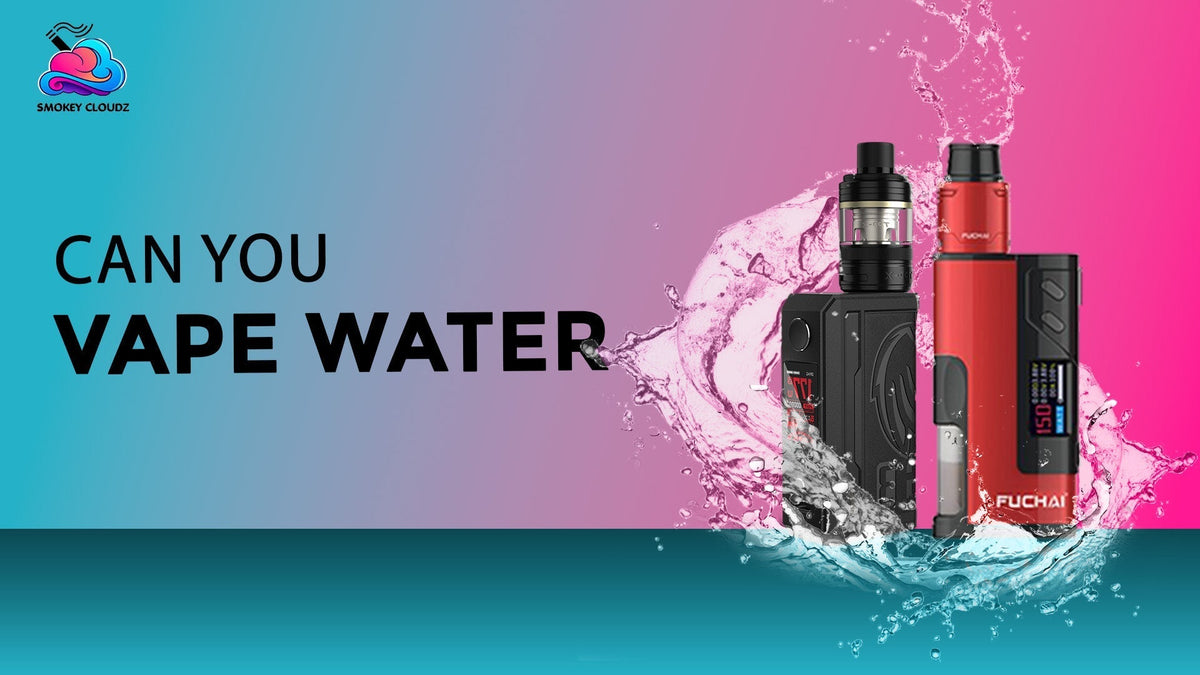
Many adults ask can you vape water because plain water seems harmless. Some think it may reduce strong flavor, make an e liquid last longer, or create vapor without nicotine. It sounds like an easy idea, but a regular vape is not built to heat plain water. Adults looking at products in the RAZ vape collection should only use a device in the way stated on its packaging.
Plain water may produce hot steam, weak mist, or boiling droplets instead of the normal aerosol created by e liquid. This can feel harsh in your mouth and throat. It can also leak through the coil area and damage parts inside the device. There is no flavor benefit, no proper vaping result, and no health reason to try it.
This article is for general product and safety information. Vape products are meant for adults of legal smoking age only. No vape product should be viewed as risk free.
Can You Vape Water Safely?
No, you should not put plain water inside a regular vape device.
Most vape devices are made to heat e liquid containing vegetable glycerin, propylene glycol, flavor ingredients, and sometimes nicotine. These liquids are thicker than water and work with the coil, cotton, tank, and airflow system in a certain way.
Plain water is much thinner. It may move through the cotton too fast, enter places it should not enter, or leak from the airflow holes. When the coil heats it, the result may include very hot droplets, weak steam, popping sounds, or spitback into the mouth.
This is not the same experience as using normal e liquid. It may also shorten device life. Readers who care about device condition may also read about how long a vape may last, since liquid type and daily use both affect performance.
Is Plain Water Made for Vape Devices?
Regular disposable vapes, pod systems, cartridges, and refillable tanks are not made for plain water.
A vape coil normally pulls e liquid through cotton or another wicking material. The coil then heats the liquid and creates an aerosol. Water reacts differently because it has another thickness, boiling point, and heating behavior.
A device may fail to produce much visible mist when water is added. The user might then take longer puffs or press the fire button again and again. This can place more stress on the coil and battery.
Some people also expect water to feel soft because they drink it every day. That thinking is easy to understand. Drinking water at a normal temperature is very different from inhaling water heated inside a small electronic device. The mouth, throat, and airways are sensitive to heat.
Can Water Create Normal Vape Aerosol?
Plain water cannot copy the normal result of a properly made e liquid.
Vegetable glycerin and propylene glycol are commonly used because they can carry flavor and create the visible aerosol linked with vaping. Water does not have the same texture or heating response.
A small amount of water may be used in certain commercial formulas, but those products are made with other ingredients and may require a device designed for that formula. That is very different from opening a tank and filling it with tap water or bottled water.
A water based e liquid is still an e liquid. It is not just water. It may contain vegetable glycerin, propylene glycol, flavor ingredients, and nicotine. The presence of water does not remove the normal health concerns linked with vaping.
Can Vaping Water Irritate Your Throat and Lungs?
Yes, hot steam or droplets may irritate your mouth, throat, and airways.
A person may notice coughing, throat pain, a burning feeling, chest discomfort, or trouble taking a normal breath. The reaction can depend on the temperature, device power, puff length, and amount inhaled.
A longer puff may expose the throat to more heat. Repeated puffs may also make the coil and nearby parts hotter. If the device begins popping or sending liquid into the mouth, stop using it.
Some adults already deal with a dry throat or mouth after vaping. Adding plain water to a device is not a proper fix for that feeling. It may create another problem instead of solving the first one. A dry mouth may also raise questions about whether vaping may affect teeth, gums, or breath.
Seek medical care if you have serious breathing trouble, strong chest pain, faintness, confusion, or symptoms that keep getting worse. A health professional can check whether the irritation needs treatment.
Can Plain Water Damage the Coil and Atomizer?
Yes, plain water may harm the coil, cotton, seals, tank, and other internal parts.
Water is thinner than normal e liquid. It may soak through the wick too quickly and collect around the airflow system. This can cause leaking, gurgling, weak output, and hot liquid entering the mouth.
Tap water may contain minerals. When the water heats and dries, some minerals may remain on the coil or inside the tank. This buildup can affect heating and create an unpleasant taste.
Water may also reach electronic areas that should stay dry. This raises the chance of poor performance or complete failure. Never charge a wet or leaking vape. Electricity and moisture should not be treated casually.
A product such as the AirFuze Smart Vape 30K comes prefilled for its intended use. A prefilled disposable should not be opened, altered, or filled with water.
Problems You May Notice After Adding Water
The device may show signs right away, or the issue may appear after several puffs. Watch for these problems:
-
Loud popping near the mouthpiece
-
Hot liquid reaching your lips or tongue
-
Gurgling during each puff
-
Very weak mist or no mist
-
Water leaking from airflow holes
-
A strange metal or mineral taste
-
A coil that heats unevenly
-
Battery or screen problems
-
Unexpected heat around the device
-
The device turning off without warning
Do not keep testing the vape to see whether it will fix itself. Repeated heating may make the leak, heat, or coil damage worse.
Steps to Take After Water Enters a Vape
Stay calm and stop using the device. A rushed reaction can create more damage, mainly if you keep pressing the fire button.
Step 1: Stop Taking Puffs
Do not inhale from the device again. Even if it appears to work, water may still be sitting around the coil or airflow area.
Step 2: Turn the Device Off
Switch off a refillable or rechargeable device when the controls allow it. Do not press the firing button as a test.
Step 3: Keep It Away From Charging Cables
Never connect a wet, leaking, or damaged vape to a charger. Place it on a dry surface away from heat, children, and pets.
Step 4: Check the Product Instructions
Read the care details supplied by the maker. Some refillable tanks may have removable parts that can be cleaned and fully dried. Disposable devices are not meant to be opened or repaired at home.
Step 5: Replace a Damaged Disposable
A disposable that has been opened, filled with water, or started leaking should not be used again. Replacing it is usually safer than trying to repair sealed parts.
Step 6: Speak With the Seller or Maker
Ask for product guidance if the device is rechargeable or uses replaceable pods. Give the device name and explain exactly what entered it. Do not hide the water exposure, since that detail matters.
A Real Life Example
Imagine an adult user has a refillable pod with very little e liquid left. They add tap water because they want to get a few more puffs before buying another bottle.
The first puff feels weak. The second puff makes a loud popping sound. On the third puff, a hot droplet reaches their tongue. The pod then starts leaking from the bottom.
The water did not extend the liquid. It changed the way the coil and cotton worked. The user now has an irritated mouth and a pod that may need replacement.
The better action was to stop using the pod when the e liquid became low. Waiting for the proper refill would have prevented the leak and hot spitback.
Mistakes That Make the Problem Worse
Curiosity is normal, and many people see water as harmless. Still, a few reactions can turn a small mistake into a bigger issue.
Adding Water to Thin Out Old E Liquid
Water should not be used as a home made thinner. The new mixture may not wick or heat correctly. It can also separate from the remaining ingredients.
Taking Longer Puffs to Produce More Mist
Long puffs create more heat. If water is already inside the coil area, extra heat may increase popping, steam, or hot droplets.
Using Tap Water Because It Looks Clean
Clear water can still contain minerals and other substances. A clean appearance does not mean it belongs in a vape tank.
Opening a Sealed Disposable
Disposable vapes are not built for refilling. Opening the body can damage seals, wiring, the battery, or the liquid chamber.
Charging a Wet Device
This is 1 of the most serious errors. A wet vape should stay away from charging cables until the maker confirms the correct next step.
Continuing After Throat Pain
Pain, burning, coughing, or chest discomfort are warning signs. Stop using the device instead of waiting for your body to get used to it.
Are Flavored Vapes a Better Option Than Plain Water?
A vape should only contain the liquid made for that device. Plain water, homemade mixtures, oils, juice, alcohol, and other liquids should never be placed inside it.
Prefilled products already contain a measured liquid formula. Adults who use disposable products may look at the Foger vape range, but each product should stay sealed and be used exactly as supplied.
A flavored vape is not risk free. Still, using a legal product in its intended form avoids the extra device problems caused by plain water. You should never open a disposable vape to add water, flavor, or another substance.
Are Water Based E Liquids the Same as Plain Water?
No, these are 2 different things.
A water based e liquid is a prepared formula. It may contain a controlled amount of water along with vegetable glycerin, propylene glycol, flavor ingredients, and nicotine. The amount of each ingredient is set by the manufacturer.
Plain water has none of those features. It cannot carry flavor in the same way, and it may not move through the coil correctly. Pouring bottled or tap water into a tank does not create a water based e liquid.
The word “water based” can confuse buyers. It may sound like the product contains only water, but this is usually not the case. Always read the ingredient details and device instructions before use.
Can Water Be Mixed With Vape Juice?
You should not mix plain water with vape juice at home.
Some users add water because their liquid feels thick or their tank is nearly empty. Others hope it will make the bottle last longer. Both ideas can lead to weak output, leaking, spitback, and coil trouble.
A homemade mixture may also separate inside the tank. The first puff may contain a different balance of ingredients than the next puff. This creates an uneven experience and makes device performance hard to predict.
If an e liquid has changed color, smells unusual, tastes burnt, or has passed its use date, adding water will not repair it. Stop using it and replace it with a suitable product.
Can Water Remove Nicotine From a Vape?
No, adding water does not safely remove nicotine from an e liquid.
Water may lower the concentration in an uneven way, but the final strength cannot be measured without proper equipment. Nicotine may also remain in the tank, cotton, and coil.
A user may take longer or more frequent puffs because the mixture feels weak. This may cancel out the expected reduction and expose the throat to more heat.
Adults who want lower nicotine should use a properly labelled strength that suits their device. Never try to change nicotine strength by adding water at home.
Can You Vape Water From a New Disposable?
No. A new disposable should never be opened or altered.
Disposable vapes have sealed liquid chambers, batteries, sensors, and heating parts. Opening the body may break the seals and expose the battery. Even a small puncture can make the product unsafe to carry or charge.
Products such as the Nexa Ultra 50000 disposable vape are supplied with their intended liquid already inside. Adding water can cause leaks and may ruin the full device.
If a disposable feels empty, tastes burnt, or stops producing mist, it has likely reached the end of its usable life or developed a fault. It should not be refilled with water.
Practical Tips for Safer Device Care
Good device care reduces leaks, burnt coils, weak output, and avoidable battery problems.
Use Only the Intended Liquid
Check whether your device takes nicotine salt, freebase e liquid, or a prefilled pod. Not every liquid works with every coil.
Keep the Tank Above the Minimum Line
A refillable tank needs enough e liquid to keep the cotton wet. Using it while nearly empty may burn the wick and damage the coil.
Avoid Overfilling
Too much liquid can enter the airflow system. This may cause gurgling, leaking, and hot droplets.
Store the Device Upright
Keeping a vape upright can reduce leaking, mainly during warm weather. Do not leave it in direct sunlight or inside a hot car.
Keep Water Away From Charging Areas
Do not rinse the full device under a tap. Removable tanks may have their own cleaning instructions, but batteries and charging ports must stay dry.
Replace Worn Parts
Old pods, coils, and seals may leak even when the correct liquid is used. Replacing a worn part is better than adding water or trying a homemade repair.
Stop After a Strong Body Reaction
Red eyes, coughing, dizziness, nausea, chest discomfort, or throat pain should not be ignored. Readers with eye related concerns may also review whether eyes can turn red after vaping.
A Better Response to Dry or Harsh Puffs
A harsh puff does not always mean the e liquid needs water.
The coil may be old. The power setting may be too high. The pod may be nearly empty, or the liquid may be too thick for that device. Long puffs taken close together can also overheat the coil.
Try these steps:
-
Stop using the device for several minutes.
-
Check the remaining liquid level.
-
Look for leaking or visible damage.
-
Lower the power if the device allows adjustment.
-
Replace the coil or pod if it tastes burnt.
-
Drink normal water rather than putting water inside the vape.
-
Stop use if irritation continues.
Drinking water may ease a dry mouth, but it does not remove the health risks linked with vaping. It only supports normal hydration.
Pain Points Adults Often Face
People usually consider adding water when they are already frustrated. The liquid may be running low, the next order may not have arrived, or the device may feel too harsh.
It is easy to think a few drops cannot hurt. Water looks clean, has no smell, and is safe to drink. That makes the mistake feel reasonable at first.
The problem is that a vape coil is not a kettle or humidifier. It has a small heating surface, absorbent cotton, tight airflow, and electronic parts placed close together. A tiny amount of liquid in the wrong place can cause a leak or malfunction.
Replacing a pod or waiting for the correct liquid may feel annoying. Still, it is better than damaging the device or breathing in hot droplets.
Can Water Be Used to Clean a Vape Tank?
Some removable refillable tanks may be rinsed with water, but only when they are fully separated from the battery and electronic parts.
Cleaning a tank with water is not the same as vaping water. After rinsing, every part must dry completely before the tank is rebuilt and filled with the correct e liquid.
Follow these basic points:
-
Turn off the device.
-
Remove the tank from the battery.
-
Take out the coil if the maker allows it.
-
Rinse only the approved removable parts.
-
Leave all parts to dry fully.
-
Install a fresh coil if the old one became soaked.
-
Refill with the correct e liquid.
-
Wait for the cotton to absorb the liquid before taking a puff.
Do not wash disposable vapes. Do not place batteries, screens, charging ports, or connected electronic parts under running water.
Is Vaping Water Safer Than Regular Vaping?
There is no good evidence that putting plain water inside a vape makes vaping safe.
Vaping water may remove some ingredients found in e liquid, but it adds other concerns. These include hot steam, boiling droplets, leaking, uneven heating, and device failure.
Regular vaping also carries health risks. Vape aerosol is not harmless air or harmless water vapor. It may contain nicotine, flavor chemicals, tiny particles, and substances released during heating.
The safest health option is not to vape. Adults who already vape should avoid homemade mixtures and use products only as directed.
This Topic Inside the Full Vape Guide
The question can you vape water is part of a larger device care topic. Liquid type, coil condition, battery quality, storage, charging, and puff habits all affect the way a vape performs.
Knowing the background of these products may also give more context. The article about when vapes were invented covers the development of modern devices and the way their heating systems changed over time.
A complete vape guide should also cover liquid compatibility, burnt taste, leaking pods, charging habits, storage, adult safety, and signs that a product should be replaced. This article can support that wider guide by answering 1 very specific safety question in depth.
Times to Ask for Medical Help
Stop vaping and contact a medical professional if symptoms feel serious or do not settle.
Medical care may be needed for:
-
Trouble breathing
-
Strong or lasting chest pain
-
Severe coughing
-
Burning in the mouth or throat
-
Wheezing
-
Faintness or confusion
-
Blue or grey lips
-
Vomiting after exposure
-
Symptoms that continue getting worse
Call emergency services for severe breathing trouble, loss of consciousness, or intense chest pain. Do not keep testing the device while symptoms are present.
A vape seller can assist with product instructions, coil compatibility, and device faults. Health symptoms should always be discussed with a qualified medical professional.
Final Thoughts
So, can you vape water? A device may heat it, but that does not make the practice safe or useful.
Plain water does not work like a normal e liquid. It may create hot steam or droplets, irritate your airways, leak through the coil, damage electronic parts, and shorten the life of the device.
Do not add water to stretch old liquid, lower nicotine, repair a burnt coil, or refill a disposable. Use only the liquid stated for the product, and replace damaged parts instead of trying home made fixes.
For more medical context, Medical News Today explains the risks linked with vaping water, including the chance of inhaling very hot water droplets and irritating the airways.
FAQs
Is it safe to vape water?
No. Plain water may turn into hot steam or droplets that irritate the mouth, throat, and lungs. It may also damage the device.
Can water replace e liquid?
No. Water does not have the thickness or ingredients needed for normal vape performance. It may cause leaking, popping, and weak output.
Can I add a few drops of water to thick vape juice?
This is not recommended. A homemade mixture may heat unevenly, leak through the coil, or produce hot spitback.
Is water based vape juice only water?
No. It is a prepared e liquid that may contain a controlled amount of water with other ingredients. It is not the same as plain water.
Can a wet vape be charged?
No. Keep a wet or leaking device away from the charger. Turn it off and follow the maker’s care instructions.

Leave a comment
This site is protected by hCaptcha and the hCaptcha Privacy Policy and Terms of Service apply.