
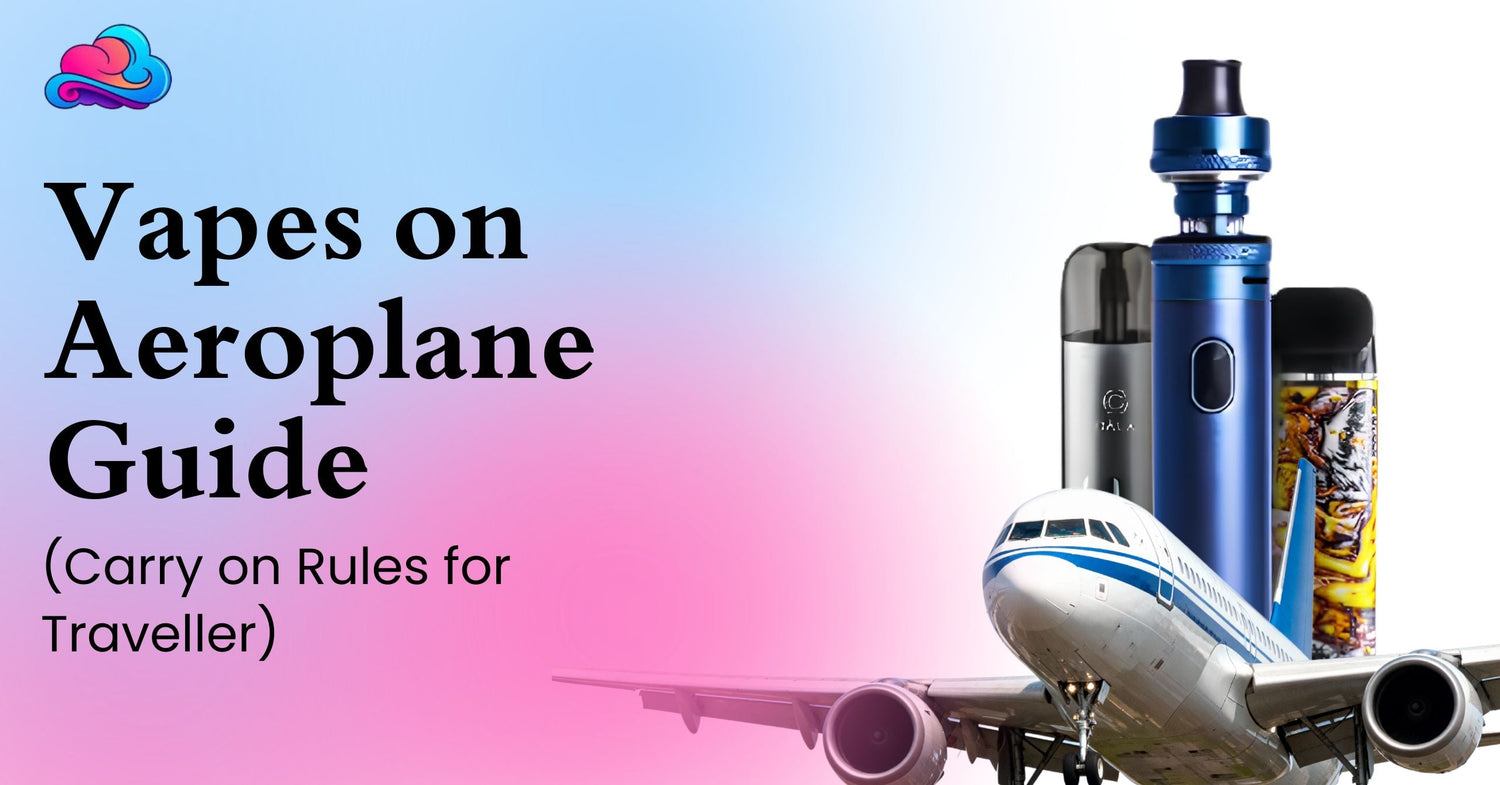
Planning a flight can already feel stressful. You think about tickets, bags, airport timing, security lines, and what you can carry. Then one more question comes up: can you take vapes on planes? For adult vape users, this is an important travel question because the wrong packing choice can delay you at security or cause problems with airline rules. Smokey Cloudz is for adults 21+ only, and if you are checking adult vape options before a trip, you can review the Foger Vape collection for product details before deciding what belongs in your travel bag.
The clear answer is yes, you can take most vapes on planes, but they must go in your carry on bag or stay with you. You should not pack vaping devices in checked luggage. This applies to many vape devices, disposable vapes, vape pens, and e cigarettes because they often contain lithium batteries.
Travel rules can feel confusing, especially when every airport, airline, and country seems to have its own policy. Some travelers also want a device with no nicotine for personal reasons, so guides like the nicotine free vape guide for adult buyers can give more background before a trip. Still, airline rules are about battery safety and public use rules, not only nicotine content.
Can You Take Vapes on Planes?
Yes, you can take vapes on planes, but you must pack them correctly. In the United States, TSA vape rules allow electronic smoking devices only in carry on baggage. This means your vape should be in your backpack, purse, laptop bag, or small cabin bag.
You cannot use a vape on airplane seats, in the aisle, in the restroom, or anywhere inside the aircraft. Even if the device is small, quiet, or disposable, vaping during a flight is not allowed.
This matters because vape devices use batteries. If a battery overheats inside checked luggage, the crew may not notice it quickly. In the cabin, a problem can be handled faster. That is why the rule is strict.
Why Do Airlines Care About Vapes?
Airlines care because many vapes contain lithium batteries. These batteries are common in phones, laptops, power banks, and vape devices. Most of the time, they work normally. But if a battery is damaged, crushed, overheated, or turned on by mistake, it can become a fire risk.
This is why vape in carry on rules are not just about smoking or vaping. They are also about flight safety. Your vape should be packed in a way that stops accidental activation. That means it should not be loose in a bag where buttons can be pressed.
For small travel bags, some people like to keep devices in a pouch or purse pocket. If you carry a small device daily, this purse vape guide can give more ideas about compact storage, but airport packing still needs extra care.
TSA Vape Rules in Plain English
TSA vape rules are easier to understand when you break them into 5 points.
-
Vapes must go in carry on baggage.
-
Vapes are not allowed in checked bags.
-
You cannot use vapes on the plane.
-
E liquid must follow liquid rules if carried separately.
-
The device should be protected from turning on by accident.
If your vape is disposable, the same basic rule still applies. Disposable vape travel rules usually treat the device as an electronic smoking device with a battery. So it belongs in your carry on bag, not checked luggage.
If you are carrying a rechargeable disposable like the Foger Bit 35K disposable, keep it with you in the cabin and protect the charging area from damage.
Can You Pack Vape Juice in Carry On?
Yes, you can usually bring vape juice in carry on, but it must follow the liquid limit. In the United States, carry on liquids usually need to be in containers of 3.4 ounces or less and placed inside a quart size liquids bag.
If you carry extra bottles, keep them sealed well. Cabin pressure can sometimes cause leaks. A small plastic bag can save you from a messy pocket, stained clothes, or wasted liquid.
Do not overpack liquid bottles without checking your airline and airport rules. A small mistake can lead to items being removed at security.
Step by Step Guide to Pack a Vape for Air Travel
Here is a clear packing process before you leave for the airport.
Step 1: Put the device in your carry on
Keep the vape in your personal bag, purse, or carry on. Do not place it in checked luggage.
Step 2: Turn it off if possible
If your device has a power button, turn it off before packing. If it has a lock setting, use it.
Step 3: Protect the mouthpiece and buttons
Use a case, small pouch, or separate pocket. Do not let keys, coins, or metal items rub against the device.
Step 4: Pack liquids carefully
Put vape juice in a clear liquids bag if you are carrying it through security. Keep bottles upright when possible.
Step 5: Check destination laws
This is very important. Some states and countries have stricter vaping rules. For example, policy changes around vaping can vary by location, and this Wisconsin vape ban guide shows why checking local rules matters before travel.
Real Life Example
Imagine you are flying from Chicago to Miami for a weekend trip. You place your disposable vape in your backpack side pocket. You also pack a small sealed bottle of vape juice in your liquids bag. Your checked suitcase only has clothes, shoes, and toiletries.
At security, your carry on goes through screening. If asked, you can clearly say the vape is in your carry on because it is not allowed in checked baggage. During the flight, you leave it in your bag and do not use it. When you land, you check the local rules before using it outside the airport.
That is a smooth travel setup. No panic. No last minute unpacking. No risk of placing the device in the wrong bag.
Common Mistakes Travelers Make With Vapes
Mistake 1: Packing a vape in checked luggage
This is the biggest mistake. Many travelers pack fast and throw everything into the suitcase. But vapes should not go under the plane.
Mistake 2: Thinking disposable vapes are different
A disposable vape may look small, but it still has a battery. Disposable vape travel rules are usually the same as other vape device rules.
Mistake 3: Trying to vape in the airplane restroom
This can cause serious trouble. Airplane restrooms have smoke detectors, and vaping on a plane is not allowed.
Mistake 4: Carrying too much liquid
Extra vape juice can create problems if it does not follow liquid rules. Keep your bottle size within the limit for carry on screening.
Mistake 5: Forgetting destination rules
Your departure airport may allow the device in carry on, but your destination may have different rules about possession, public use, or sales.
Expert Tips for Smooth Vape Travel
Pack your vape the night before your flight. Rushing in the morning is when mistakes happen.
Keep your device in a separate pocket so you do not dig through your bag at security. This lowers stress and saves time.
Do not charge your vape on the plane unless the airline clearly allows charging of that type of device. Many airlines do not allow charging vape devices during flight.
Carry only what you need. A short trip may not require extra devices or extra liquids.
Read your airline policy before flying. TSA handles security screening, but airlines can add their own rules.
For adults comparing larger disposable devices before a trip, the Fifty Bar vape guide can give more product background. Still, bigger device size does not change the main travel rule. Keep it in carry on and do not use it on the plane.
How This Connects to the Bigger Vape Travel Guide
This article is one part of a wider travel topic. Many adult users do not only ask, “can you take vapes on planes?” They also ask about liquids, batteries, international rules, airport use, hotel rules, and local restrictions.
That is why this topic connects naturally to the complete vape travel guide. A full guide can cover what to do before the airport, what to expect at security, what to avoid on the plane, and how to stay within local rules after landing.
When you understand the full process, travel feels less confusing. You do not have to guess. You know where the device goes, what not to do, and when to check official rules.
When Should You Get Extra Help?
You may want extra guidance if you are traveling internationally, carrying multiple devices, flying with extra vape juice, or visiting a state with strict vape rules.
Smokey Cloudz product pages can support adult buyers by showing product details such as device type, puff count, and product format. This can make it easier to understand what you own before checking airline rules. Still, travel rules should always be confirmed with your airline, TSA, and your destination authority before you fly.
Final Travel Checklist
Before leaving for the airport, ask yourself 5 quick questions.
-
Is my vape in my carry on?
-
Did I keep it out of checked luggage?
-
Is the device turned off or protected from activation?
-
Are my liquids packed under the carry on liquid limit?
-
Did I check airline and destination rules?
If you can answer yes to these, you are in a much better position.
For battery safety, the FAA gives official guidance on lithium batteries, vaping devices, and baggage rules here: FAA lithium batteries in baggage.
Conclusion
So, can you take vapes on planes? Yes, but only when packed the right way. Keep your vape in carry on baggage, protect it from turning on, follow liquid rules, and never use it during the flight.
The main point is easy to remember. Carry it with you, do not check it, and do not use it on the plane.
Travel is already busy enough. A little planning before you leave can help you avoid airport stress and keep your trip smooth.
FAQs
Can you take vapes on planes in carry on?
Yes. Vapes are allowed in carry on baggage, but they should not go in checked luggage.
Can I put a disposable vape in checked luggage?
No. Disposable vapes usually contain lithium batteries, so they should stay in your carry on bag.
Can you vape on airplane seats?
No. Vaping is not allowed anywhere inside the airplane, including seats and restrooms.
Do vape liquids count as carry on liquids?
Yes. Vape juice usually follows liquid rules, so carry on bottles should be 3.4 ounces or less.
Should I check airline rules before flying with a vape?
Yes. TSA has security rules, but airlines and destinations may also have their own policies.

Leave a comment
This site is protected by hCaptcha and the hCaptcha Privacy Policy and Terms of Service apply.