
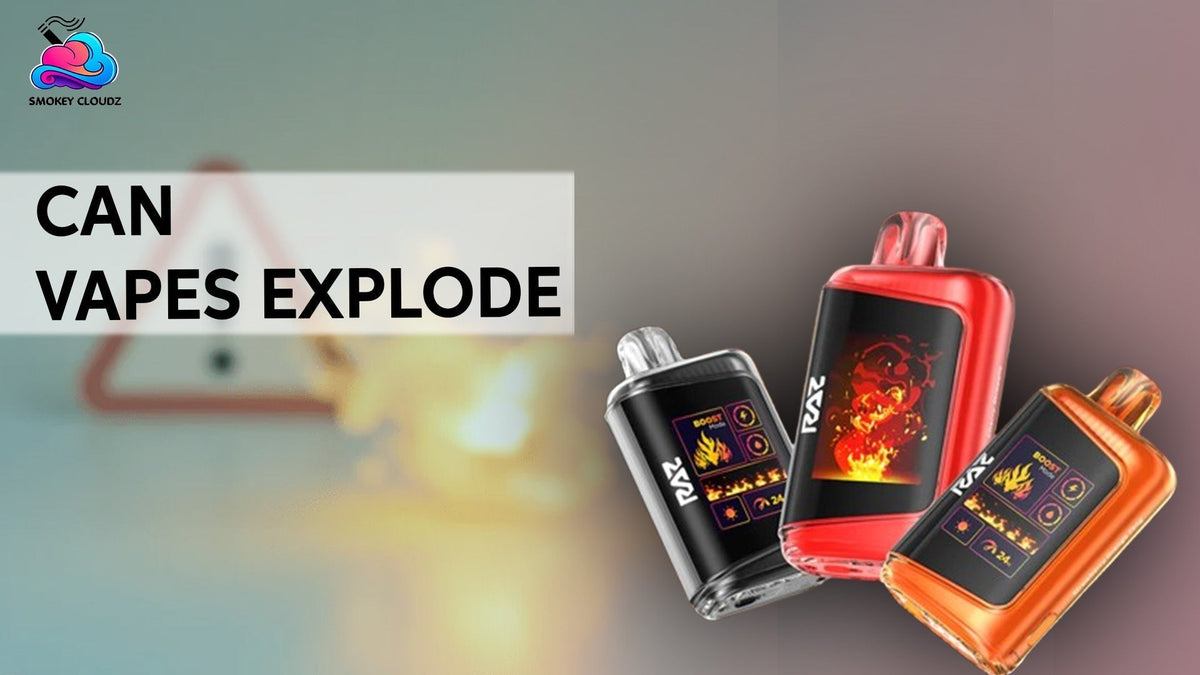
Many adults ask can vapes explode because stories about battery fires can sound frightening. These events are not common, but they can happen when a battery is damaged, charged with the wrong cable, exposed to strong heat, or used after clear warning signs appear. Adults comparing devices such as the RAZ DC25000 Disposable Vape should still check the device body, charging port, and package instructions before use.
A vape contains a small battery that stores a lot of power.
When that battery works correctly, it powers the heating part inside the device.
When it is damaged or badly handled, heat can build up very fast.
This is the main reason battery care matters.
A Clear Answer About Vape Explosions
Yes, a vape can explode or catch fire.
The risk is usually linked with the battery rather than the liquid itself.
Problems may begin after:
-
Battery damage
-
Wrong charging
-
Strong heat exposure
-
A short circuit
-
Poor quality parts
-
Unsafe storage
-
Continued use after overheating
A well made device can still become unsafe if it is crushed, punctured, soaked, or charged the wrong way.
No vape should be treated as risk free.
The Battery Inside a Vape
Most vape devices use a lithium ion battery.
This battery type can hold a high amount of energy inside a small space.
That is useful for portable devices, but it also means damage can become serious.
A battery may fail when its inside parts become unstable.
Heat can rise quickly.
The battery may release smoke, fire, or hot material.
This reaction is often called thermal runaway.
The name sounds technical, but the idea is easy to understand.
The battery becomes too hot and cannot cool itself down.
Charging Problems That Raise Risk
Charging is one of the main areas that needs care.
A charger that sends the wrong amount of power may place stress on the battery.
A damaged cable may also cause poor contact or extra heat.
Avoid charging a vape:
-
Under a pillow
-
On a bed or sofa
-
Inside a hot car
-
Near water
-
Near paper or other items that burn easily
-
While the charging port is wet
Keep the device on a hard, clear surface.
Check it during charging.
Unplug it if it becomes very hot, smells strange, or makes an unusual sound.
Overcharging and Long Charging Sessions
Many modern devices include charging protection.
That protection can lower risk, but it should not be treated as a reason to leave the device connected for very long periods.
Repeated overcharging may place extra stress on the battery.
It may also create more heat.
The article about how long a vape pen takes to charge gives more detail about normal charging times and signs that a device may not be charging correctly.
Always follow the charging details listed for the exact device.
Heat Can Damage the Battery
Leaving a vape in direct sunlight or a closed car can raise its temperature.
Hot weather can also affect the liquid and seals.
A battery already weakened by age or damage may react badly to strong heat.
Keep the device in a cool, dry place.
Do not place it near:
-
A heater
-
A stove
-
A sunny window
-
A car dashboard
-
Open flames
-
Gasoline or propane
Extreme cold is not good either.
A battery used straight after freezing conditions may not work correctly.
Let the device return to normal room temperature before use or charging.
Damage From Drops and Crushing
A vape may look fine after being dropped, but damage can happen inside.
A strong impact may affect the battery, charging port, or connections.
Do not keep using a device that has:
-
A cracked body
-
A bent charging port
-
Loose parts
-
Battery swelling
-
Liquid inside the charging area
-
A new rattling sound
A crushed device should not be tested with another puff.
That small test can add more stress to an already damaged battery.
Short Circuits and Metal Objects
Loose batteries and metal objects are a dangerous mix.
Keys, coins, and other metal items can touch battery points and create a short circuit.
This may cause very fast heating.
Never carry loose vape batteries in a pocket or bag without a proper battery case.
A disposable vape should also be kept away from sharp metal items that may puncture or crush the body.
Poor Quality or Counterfeit Products
Some unverified devices may use weak batteries or poor internal parts.
They may also miss important protection systems.
A low price can feel attractive, but unclear packaging and missing product information are warning signs.
Check for:
-
Clear manufacturer details
-
Charging instructions
-
Nicotine information
-
Secure packaging
-
Product warnings
-
A body that is not cracked or leaking
Do not use a product if the package looks opened, damaged, or badly printed.
Burnt Taste and Battery Stress
A burnt taste often comes from a dry or damaged coil.
It is not always a battery problem.
Still, continuing to use a burnt device may create extra heat and poor performance.
Adults dealing with this issue can read the guide on fixing a burnt vape for basic checks.
Stop using the device if the burnt taste returns again and again, especially when the body also feels hot.
A Real Life Situation
Imagine an adult user named Mark.
He leaves his rechargeable disposable vape inside his car during a very hot afternoon.
When he returns, the device feels warm.
He decides to charge it straight away.
A few minutes later, the vape becomes much hotter and starts giving off a strange smell.
Mark unplugs it and moves away from the device.
He does not try to take another puff.
That choice matters.
The safer action is to stop at the first warning sign, not wait for the device to fail fully.
Everyday Errors That Can Lead to Trouble
Many battery problems begin with small habits.
Using the wrong charging cable
A charger that does not match the device may cause extra heat.
Charging on soft furniture
Beds and sofas can hold heat around the vape.
Ignoring battery swelling
A swollen device should never be used or charged.
Carrying loose batteries with keys
Metal contact can create a short circuit.
Leaving the vape in a hot car
Strong heat may damage the battery before you even use it again.
Continuing after a strange smell
A burning or chemical smell is a warning sign.
Stop using the device right away.
Warning Signs That Need Fast Action
Stop using the vape if you notice:
-
Fast overheating
-
Swelling
-
Smoke
-
Hissing sounds
-
A burning smell
-
Liquid around the battery
-
A damaged charging port
-
Sudden power loss
Do not put a hot device in your pocket.
Do not hold it close to your face.
Move away and keep other people clear of the area.
Safe Steps When a Vape Starts Overheating
If a vape becomes unusually hot, act quickly and stay calm.
-
Stop using it.
-
Disconnect the charging cable if it is safe to reach.
-
Place the device away from paper, fabric, fuel, and other items that can burn.
-
Keep children and pets away.
-
Do not hold the device close to your face.
-
Do not place it in a pocket or bag.
-
Do not use it again after it cools if it shows damage, swelling, smoke, or a strange smell.
Do not pour water into the device.
Do not puncture the battery.
Do not keep pressing buttons to test whether it still works.
A hot or damaged vape should be treated as faulty.
Safer Charging Habits for Daily Use
Good charging habits can lower avoidable battery risk.
Use a cable that suits the device.
Keep the charging port clean and dry.
Charge on a flat and hard surface.
Stay near the device while it is charging.
Unplug it when charging is complete.
Avoid cheap or badly damaged charging cables.
A loose cable may keep connecting and disconnecting. This can create heat around the charging port.
Do not charge a device that has been dropped hard, crushed, soaked, or left in extreme heat.
Battery Care for Refillable Devices
Some vape mods use removable batteries.
These need more care than sealed disposable batteries.
Check the battery wrap before placing it inside the device.
Do not use a battery with torn plastic, dents, rust, or damaged ends.
Never mix:
-
Old and new batteries
-
Different battery brands
-
Different battery models
-
Batteries with different charge levels
Devices that use 2 batteries normally need a matching pair.
They should be charged and used together.
A user who is not comfortable handling removable batteries should avoid advanced mechanical devices.
Mechanical Mods Need Extra Knowledge
Mechanical mods may not include the same protection systems used in regulated devices.
They can place power directly from the battery to the coil.
Incorrect resistance or a damaged battery can create dangerous stress.
These devices are not a good starting point for beginners.
Anyone using one needs a clear grasp of battery limits, coil resistance, and Ohm’s law.
Guessing is not safe.
Safe Storage at Home and During Travel
Store a vape in a cool and dry place.
Keep it away from direct sunlight, heaters, stoves, and open flames.
Do not leave it inside a parked car.
Keep loose batteries inside a proper case.
During air travel, battery powered vape devices should not be placed where damage may go unnoticed. Follow the airline rules for battery powered devices and keep battery terminals protected.
Never use or charge a vape near gasoline, oxygen tanks, propane, or other flammable gases.
Disposal Needs Proper Care
Old or damaged vape batteries should not go into normal household trash.
They may still hold power.
Pressure or damage inside a rubbish truck can start a fire.
Some adults wonder whether vape shops buy back disposables. Policies can differ, but the device should always be handled as electronic waste when a battery is still inside.
Use a suitable battery or electronic waste collection point in your area.
Do not crush, burn, or open the device before disposal.
A Practical Safety Check
Use this quick check before vaping or charging.
Device body
Look for cracks, dents, leaks, and swelling.
Charging port
Make sure it is dry, clean, and not bent.
Battery temperature
The device should not feel unusually hot before use.
Smell
A burning or chemical smell means the device should not be used.
Sound
Hissing, popping during charging, or strange internal sounds can point to a fault.
Performance
Sudden power loss, random firing, or repeated overheating are signs that replacement may be needed.
This check only takes a moment, but it may stop a small fault from becoming a serious problem.
Better Daily Habits From Experienced Users
Good battery care is not difficult.
Keep the device clean.
Use approved parts.
Read the package instructions.
Avoid strong heat.
Replace damaged batteries.
Charge on a clear surface.
Do not keep using a vape after repeated overheating.
Another good habit is checking for product recalls or safety notices.
A device may look normal but still have a known fault reported by the maker.
This Topic and the Wider Safety Guide
The question can vapes explode is part of a larger safety topic.
Charging, battery storage, coil care, heat, physical damage, and disposal all work together.
The phrase complete vape battery safety guide can connect this article with the main pillar guide.
That wider page can cover battery types, charging care, travel rules, storage, warning signs, and safe disposal in more detail.
When Professional Help Makes Sense
Do not open a sealed disposable vape to repair its battery.
Do not try to rebuild a swollen or burnt device.
A damaged lithium ion battery can still react after the vape stops working.
Speak with the manufacturer, seller, or a qualified electronic waste service when you are unsure about disposal.
Get medical care after a battery incident if you have burns, breathing trouble, eye irritation, or contact with leaking battery material.
Serious symptoms should never be ignored.
Final Thoughts
Can vapes explode?
Yes, but these events are uncommon and usually involve battery damage, unsafe charging, heat, short circuits, or misuse.
The safest response is prevention.
Inspect the device.
Use the right cable.
Charge it on a hard surface.
Keep it away from heat and metal objects.
Stop using it when you notice swelling, smoke, unusual smells, or strong overheating.
A reliable device and careful habits can lower risk, but no battery powered product is completely free from failure.
The FDA also gives practical advice about using the correct charger, protecting batteries from extreme temperatures, and replacing damaged devices in its guidance on avoiding vape battery fires or explosions.
FAQs
1. Can a disposable vape explode?
Yes, though it is uncommon. Strong heat, battery damage, a short circuit, or unsafe charging can cause a disposable vape to fail.
2. Is a warm vape dangerous?
A little warmth may occur during use or charging. Stop using it if it becomes very hot, smells strange, swells, or produces smoke.
3. Can I use a vape after dropping it?
Check it first. Do not use it if the body is cracked, the port is bent, it leaks, rattles, or becomes hot.
4. Should a vape be charged overnight?
It is better to charge it while you are awake and nearby. Unplug the device once charging is complete.
5. Can damaged vape batteries go in household trash?
No. Take damaged batteries or devices with sealed batteries to a suitable battery or electronic waste collection point.

Leave a comment
This site is protected by hCaptcha and the hCaptcha Privacy Policy and Terms of Service apply.